Mini LED vs IPS for Gaming: Ultimate 2025 Guide
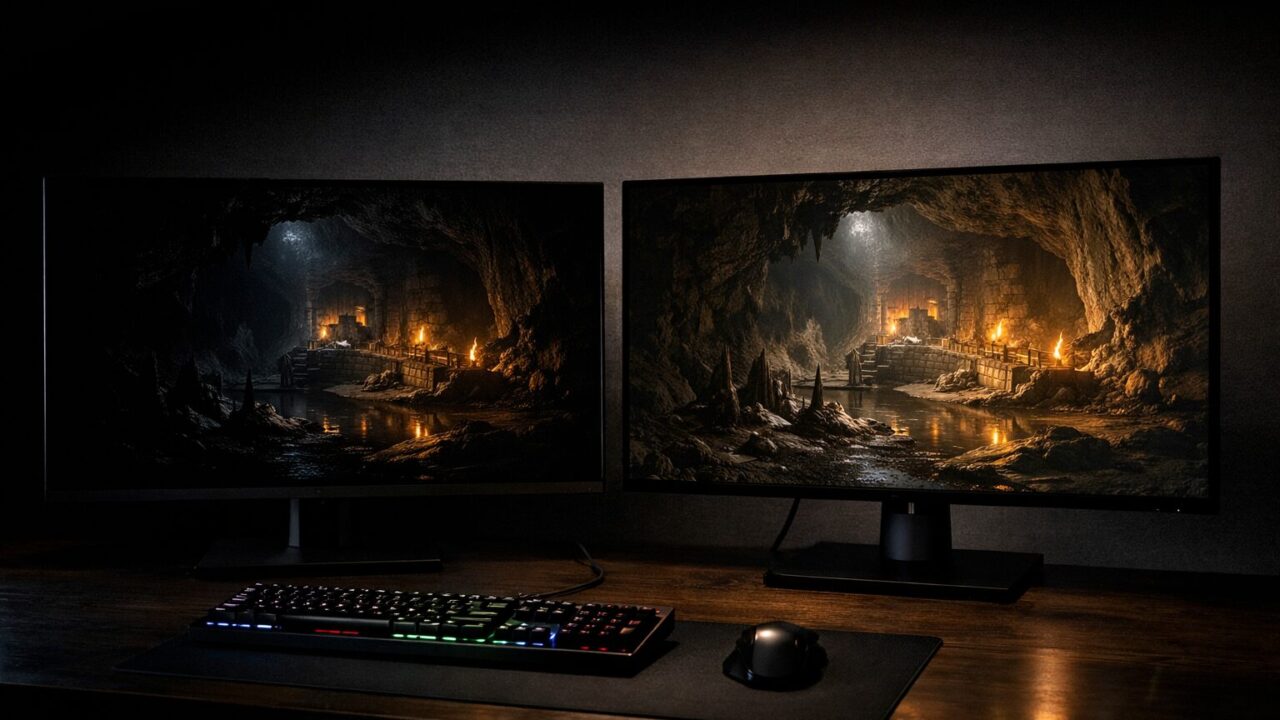
Choosing the right mini led vs ips for gaming display determines your visual immersion and overall competitive edge. Finding the best mini led vs ips for gaming setup is crucial for high-end enthusiasts who demand perfect color and motion. Whether you are navigating a dark dungeon or an open-world landscape, the panel technology under your screen dictates how you perceive light and shadow. Today, gamers are no longer limited to traditional backlighting, as 2025 brings incredible advancements in local dimming and liquid crystal speed.
Selecting the ideal monitor involves weighing the benefits of extreme brightness against the reliability of fast response times. While traditional panels offer great stability, the newer dimming technologies provide a visual depth that was previously only available in expensive home theaters. We have analyzed the latest hardware releases to give you a clear view of which technology suits your specific playstyle. In this guide, we break down the complexities of HDR, contrast ratios, and color accuracy to ensure your next investment is a perfect match for your rig.
Professional gamers and casual enthusiasts alike often debate which technology holds the crown for daily use. Factors like power consumption, thermal management, and pixel lifespan are now just as important as the refresh rate. By understanding the nuances of how these displays operate, you can avoid common pitfalls like blooming or motion blur. We are here to help you navigate the crowded market of 2025 gaming displays and find the one that will truly elevate your experience.
- Comprehensive comparison of Mini LED vs IPS contrast ratios and HDR capabilities.
- Analysis of motion clarity, input lag, and response times for competitive gaming.
- Detailed breakdown of blooming, viewing angles, and overall color accuracy.
- Top 5 recommended gaming monitors available for purchase in 2025.
Decoding the Mini LED vs IPS for Gaming Performance

- Mini LED vs IPS Technical Comparison and Feature Table
- Is Mini LED Better than IPS for High Dynamic Range Content
- Is an IPS Screen Good for Competitive Gaming Still
- Mini LED vs IPS for Laptop Gamers and Portability
- IPS vs Mini LED vs OLED Performance Differences
1. Mini LED vs IPS Technical Comparison and Feature Table
When you start looking for a new display, the technical jargon can be overwhelming. Traditional displays rely on a large backlight that stays on constantly, which often leads to gray-looking blacks in dark rooms. In contrast, the newer dimming tech uses thousands of tiny diodes to control brightness in specific areas. This allows for much deeper blacks and brighter highlights simultaneously. To help you understand the core differences, we have created a clear table comparing the most important features of these two technologies.
| Feature | Traditional IPS Display | Mini LED IPS Display |
|---|---|---|
| Peak Brightness | 350 – 600 nits | 1000 – 2000+ nits |
| Contrast Ratio | 1,000:1 (Typical) | 1,000,000:1 (Dynamic) |
| Dimming Zones | 1 – 32 (Global/Edge) | 512 – 2,304+ (FALD) |
| HDR Performance | Entry-level / Basic | Elite / True HDR |
| Color Accuracy | High / Professional | Very High / Vibrant |
As shown in the table, the jump in brightness and contrast is massive when moving to more advanced backlighting. While a standard screen might look great in a brightly lit office, it struggles to deliver a cinematic experience during a nighttime gaming session. The thousands of dimming zones in a modern 2025 flagship allow for precise control that brings out the textures in fire, magic effects, and sunlight. This technical superiority is why high-end users are increasingly looking away from standard edge-lit models.
However, it is important to remember that most high-end dimming displays still use an liquid crystal layer at their core. This means you are often getting the best of both worlds: the color consistency of a high-quality panel combined with the black levels of a superior backlight. This hybrid approach has become the gold standard for anyone who wants a bright, vivid image that does not sacrifice the wide viewing angles these panels are known for. It is the ultimate evolution for those who find standard screens a bit too washed out.
2. Is Mini LED Better than IPS for High Dynamic Range Content
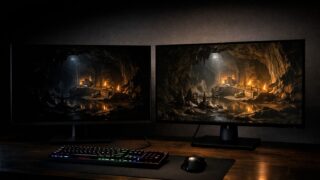
If you are a fan of immersive story-driven games, high dynamic range is likely your top priority. Standard screens often fail to display the true range between a pitch-black cave and the bright sun outside. This is where the local dimming of thousands of tiny lights makes a world of difference. It allows the monitor to shut off the backlight in dark areas while pushing massive amounts of light through the pixels in bright spots. This creates a punchy, realistic image that traditional edge-lit panels simply cannot replicate.
The visual impact of this technology is especially noticeable in 2025 titles that feature complex lighting engines. You will see individual stars against a dark sky without the entire screen turning a hazy gray. This depth makes the world feel more tangible and less like a flat image on a piece of glass. For many, this is the single biggest upgrade you can make to your visual experience. It transforms a standard gaming session into a theatrical event, making every scene feel intentional and vibrant.
The only real downside to this intensity is the potential for blooming. This happens when a very bright object is surrounded by a dark background, causing the light to bleed into the dark areas. However, as the number of dimming zones has increased to over a thousand in recent models, this effect has become much harder to notice. Modern firmware algorithms are now incredibly fast at managing these transitions, ensuring that the image remains crisp and the contrast remains high without distracting artifacts.
3. Is an IPS Screen Good for Competitive Gaming Still
For those who spend their time in fast-paced shooters or fighting games, the question of speed is paramount. Traditional panels have spent decades refining their response times, and in 2025, they are faster than ever. A high-quality standard panel offers incredibly low input lag and a very clear image during fast motion. This reliability is why many pro players still prefer them for competitive environments. You get a consistent experience with no ghosting and no sudden shifts in brightness that might distract you during a match.
Moreover, the wide viewing angles of these displays are a major benefit for multi-monitor setups. You can tilt or move your screen without the colors shifting or the contrast dropping. This makes them highly versatile for users who use their gaming rig for work or content creation during the day. The color accuracy is often superior out of the box, meaning you do not have to spend hours calibrating the settings to get a natural-looking image. It is a mature technology that just works, providing a hassle-free experience for millions of players.
While they may not hit the massive brightness peaks of the newer backlight designs, they are often more than bright enough for a typical indoor room. If you do not play many games with dark scenes or if you prioritize frame rate over cinematic lighting, a high-refresh standard panel remains an excellent and cost-effective choice. It provides the stability and speed needed to stay at the top of the leaderboard without the high price tag of specialized HDR hardware. It is the dependable workhorse of the gaming world.
4. Mini LED vs IPS for Laptop Gamers and Portability
The battle between these display types is also playing out in the high-end laptop market. For mobile gamers, a screen that can fight off glare in a sunny coffee shop or a bright terminal is a lifesaver. Displays with advanced backlighting can reach over 1000 nits, making them easily readable even in harsh lighting. This brightness also enhances the vividness of mobile games, which often have to compromise on graphical detail. Having a screen that makes the colors pop can compensate for the lower resolution or settings of a mobile GPU.
On the other hand, power consumption is a critical factor for any laptop. Traditional panels are generally more power-efficient because they do not have to manage thousands of individual light zones. If you are a student or a traveler who needs their laptop to last through a long flight or a day of classes, the extra battery life of a standard screen might be more valuable than the extreme contrast of a flagship model. It is a trade-off between visual excellence and the freedom of being unplugged for longer periods.
Fortunately, the latest 2025 laptop models have made great strides in efficiency. Modern controllers can now dim or turn off zones with very little power overhead. This means you can finally have a high-end HDR experience on your lap without the battery dying in an hour. Whether you choose the extreme brightness of a flagship or the reliable efficiency of a standard display, the quality of laptop screens has reached a level where both options provide a fantastic gaming experience. It all comes down to where you plan to do most of your playing.
5. IPS vs Mini LED vs OLED Performance Differences
When we compare these choices to OLED, the discussion becomes even more interesting. OLED is often praised for its perfect black levels because each pixel is its own light source. However, OLED struggles to hit the high brightness levels that a backlight can provide. If you play in a room with a lot of natural light, an OLED might look a bit dim or suffer from reflections. This is where the high-brightness backlight approach has a massive advantage. It gives you incredible contrast while remaining clear and vibrant even in a brightly lit environment.
Reliability is the other major factor. Backlit displays are not susceptible to burn-in, which can be a concern for OLED users who keep static elements like a health bar or a taskbar on their screen for hours. You can leave your backlit monitor on all day with no fear of permanent damage. This makes them a much better choice for gamers who use their PC for both gaming and heavy office work. You get a long-lasting piece of hardware that will remain bright and accurate for many years to come, giving you more value for your money.
In the end, the perfect display is the one that fits your environment and your habits. If you want the most cinematic, bright HDR experience possible and you play in various lighting conditions, the newer backlight technology is unbeatable. If you want a fast, reliable, and color-accurate screen for a more budget-friendly price, a traditional high-refresh panel is still an elite choice. Both technologies have seen incredible innovation in 2025, ensuring that gamers have more high-quality options than ever before to build their dream setup.
Top 5 Best Mini LED and IPS Gaming Monitors to Buy in 2025
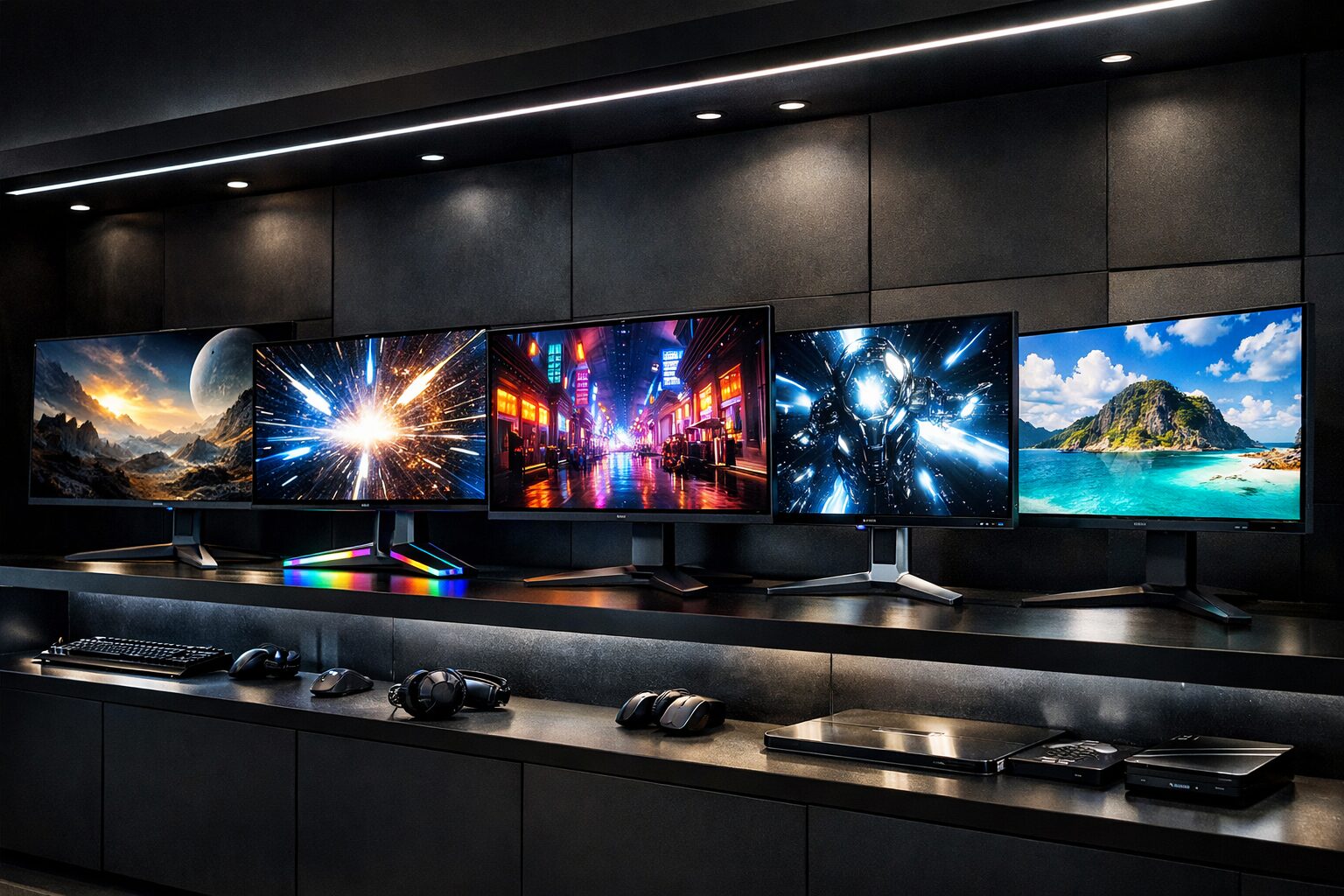
- Samsung Odyssey Neo G8 S32BG85 High Performance Mini LED
- Cooler Master Tempest GP27U 4K HDR Gaming Display
- ASUS ROG Swift PG32UQXR 4K 160Hz Mini LED Powerhouse
- LG UltraGear 27GR93U-B 4K IPS Speed Enthusiast Choice
- BenQ MOBIUZ EX3210U 4K 144Hz Ultimate Visual Experience
1. Samsung Odyssey Neo G8 S32BG85 High Performance Mini LED
The Samsung Odyssey Neo G8 stands as one of the most powerful displays ever created for the gaming market. It features a stunning 4K resolution paired with a lightning-fast 240Hz refresh rate, a combination that was once thought to be impossible. By utilizing Quantum Mini LED technology with over 1,000 dimming zones, it achieves a peak brightness of 2,000 nits. This means that explosions, sunlight, and magical effects are delivered with an intensity that you can almost feel. It provides the most realistic and punchy HDR experience available in a desktop format today.
The curved 1000R design is engineered to match the natural field of human vision, drawing you deeper into the game world and reducing eye strain during long sessions. This monitor is the perfect choice for enthusiasts who want a cinematic experience that rivals high-end televisions while maintaining the low input lag and fast response times needed for competitive play. Its matte finish also does an excellent job of diffusing reflections, ensuring that the incredible contrast is not ruined by light in your room. It is a flagship piece of hardware that represents the absolute peak of visual engineering.
Investing in a Neo G8 means you are securing a center-piece for your setup that will remain relevant for many years. It supports the latest HDMI 2.1 and DisplayPort standards, ensuring full compatibility with your high-end PC and next-gen consoles. The build quality is exceptional, featuring a sleek design with customizable lighting on the back to add a touch of style to your desk. If you are looking for a monitor that makes no compromises in brightness, speed, or resolution, this is the definitive choice for your 2025 gaming rig.
2. Cooler Master Tempest GP27U 4K HDR Gaming Display
The Cooler Master Tempest GP27U is widely regarded as a game-changer in the value-performance segment. It was one of the first monitors to bring high-end local dimming to a 27-inch 4K frame at a price that most serious gamers can actually afford. With 576 local dimming zones, it offers a level of contrast and HDR depth that puts standard monitors to shame. The peak brightness hits over 1200 nits, which is more than enough to deliver a true HDR experience that makes your favorite titles look entirely new. It is a fantastic bridge between traditional screens and the most expensive flagships.
This monitor uses a Quantum Dot layer to deliver an incredibly wide color gamut, covering almost 100 percent of the Adobe RGB space. This makes it an ideal choice for gamers who also do professional photo or video editing during the day. You get a vibrant, accurate image that is just as good for work as it is for play. The 160Hz refresh rate is smooth and responsive, ensuring that you do not lose any competitive edge while enjoying the beautiful visuals. It is a versatile and powerful tool that fits perfectly into any modern multi-purpose workstation.
The Tempest GP27U also features a USB-C port with 90W power delivery, allowing you to connect and charge your laptop with a single cable. This simplifies your desk setup and makes it incredibly easy to switch between your gaming PC and your work machine. The stand is sturdy and offers full ergonomic adjustments, including tilt, swivel, and height. For anyone who wants a massive upgrade in HDR quality without spending thousands of dollars, the Cooler Master Tempest remains one of the smartest and most rewarding purchases you can make in 2025.
3. ASUS ROG Swift PG32UQXR 4K 160Hz Mini LED Powerhouse
The ASUS ROG Swift PG32UQXR is a high-performance machine designed specifically for those who demand a large, clear, and bright window into their games. It features a 32-inch 4K panel with 576 local dimming zones, providing a rich and detailed HDR image that is perfect for cinematic open-world games. What sets this monitor apart is the inclusion of DisplayPort 2.1, which provides enough bandwidth to support high resolutions and refresh rates without any compression. This ensures that every pixel is delivered with absolute clarity, making the image look sharp and professional.
ASUS has integrated their specialized Variable Overdrive technology into this model, which automatically adjusts the response time based on your frame rate. This prevents the ghosting or overshoot that can sometimes occur on lower-quality displays as the refresh rate fluctuates. Whether you are playing at a locked 160Hz or experiencing dips in a demanding scene, the motion remains crystal clear. It is a highly refined and stable platform that provides a premium experience for those who want their games to run as smoothly as possible.
The aesthetic of the ROG Swift line is legendary, and the PG32UQXR is no exception. It features a premium build with an integrated heatsink that ensures the backlight stays cool even during all-day gaming marathons. This attention to detail extends to the OSD, which is packed with gaming-specific features like crosshairs, timers, and FPS counters. It is a complete package that offers everything a serious gamer needs. For those who prioritize a large screen and the latest connectivity standards, this ASUS powerhouse is a top-tier investment that will elevate every session.
4. LG UltraGear 27GR93U-B 4K IPS Speed Enthusiast Choice
If you are a fan of traditional high-speed panels but want to step up to 4K, the LG UltraGear 27GR93U-B is one of the most reliable and popular choices on the market. It utilizes a fast-IPS panel that offers a 144Hz refresh rate and a 1ms response time, providing a smooth and responsive experience for all types of gaming. While it does not have thousands of dimming zones, its color accuracy and viewing angles are world-class. It is the perfect choice for gamers who play in well-lit rooms and prefer a consistent, hassle-free image over extreme HDR peaks.
The UltraGear series is famous for its gamer-centric design and intuitive menu system. You can easily switch between specialized modes for FPS, RTS, and RPG games to get the best visual profile for whatever you are playing. It supports both NVIDIA G-Sync and AMD FreeSync Premium, ensuring a tear-free experience regardless of your GPU. The 27-inch size is considered by many to be the sweet spot for 4K, as it provides a very high pixel density that makes text and textures look incredibly sharp. It is a polished and professional display that excels in daily use.
One of the biggest advantages of this LG model is its accessibility. It offers high-end performance and 4K resolution at a price point that is very attractive compared to more complex backlight designs. It is a safe and reliable purchase for anyone who wants a high-quality upgrade without a complicated setup process. The build is sleek and minimal, fitting into any room without drawing too much attention. If you want a fast, color-accurate, and sharp 4K monitor for your competitive and casual gaming needs, the 27GR93U-B is a fantastic performer that delivers every time.
5. BenQ MOBIUZ EX3210U 4K 144Hz Ultimate Visual Experience
The BenQ MOBIUZ EX3210U is designed to be the ultimate all-in-one entertainment hub for your desk. It features a large 32-inch 4K IPS panel that delivers vibrant colors and wide viewing angles, making it a joy to use for both PC and console gaming. What makes the MOBIUZ line unique is the focus on integrated audio and smart visual features. It includes a built-in treVolo speaker system with a dedicated subwoofer, providing a rich sound experience that is far superior to standard monitor speakers. It is a great solution for those who want a high-quality experience without the clutter of external speakers.
BenQ has integrated their HDRi technology into this model, which uses a built-in sensor to detect the ambient light in your room and automatically adjust the HDR settings for the best possible look. This ensures that your games always look vibrant and clear, whether you are playing in a dark room at night or a bright office during the day. The 144Hz refresh rate and 1ms response time provide the speed needed for fast-paced action, while the 4K resolution ensures that everything looks crisp and detailed. It is a well-balanced and intelligent display that adapts to your needs.
The EX3210U also features an integrated AI noise-canceling microphone, which is perfect for voice chat or quick meetings. The remote control included with the monitor allows you to easily adjust the volume and settings from a distance, making it very convenient for console gamers who might be sitting on a couch. The overall build quality is exceptional, featuring a futuristic design and a stable stand. For those who want a premium, feature-rich 32-inch 4K monitor that offers a complete audio and visual package, the BenQ MOBIUZ EX3210U is an outstanding and highly satisfying choice.
Summary: Finding the Perfect Visual Foundation for Your Gaming
 Selecting between mini led vs ips for gaming is a decision that impacts the very core of your digital life. As we have explored throughout this guide, the mini led vs ips for gaming comparison highlights a shift toward high-contrast, bright HDR experiences that were previously impossible. For those who crave cinematic depth and vibrant highlights, the thousand-zone local dimming models like the Samsung Neo G8 or Cooler Master GP27U offer a transformative upgrade. Meanwhile, the reliability and speed of traditional panels from LG and BenQ remain the gold standard for competitive players who value stability and color accuracy above all else.
Your choice should ultimately be guided by your environment and the games you love to play. If your room is bright and you enjoy blockbuster titles with stunning lighting, the move to more advanced backlighting is one of the best investments you can make in 2025. If you are a competitive gamer who needs every millisecond of performance and a consistent, no-fuss image, a high-quality standard IPS panel will never let you down. Both technologies have reached a level of maturity where you are guaranteed a high-performance experience regardless of the path you take.
Integrating a high-end monitor into your setup is about more than just numbers; it is about the feeling of presence every time you power on your PC. By considering factors like response time, peak brightness, and connectivity, you ensure that your display is a perfect match for your high-end hardware. The peace of mind that comes from a long-lasting, burn-in-free panel allows you to focus entirely on the game. Take a moment to look at your current room lighting and your most-played genres, and then pick the technology that aligns with your vision for the perfect gaming session.
We hope this guide has provided the clarity you need to navigate the crowded monitor market and find the perfect display for your needs. Investing in a quality screen is a decision that pays off every single day, making your work faster and your play more immersive. The future of gaming visuals is brighter and more detailed than ever, and you are now equipped to choose the technology that will bring your digital worlds to life. Would you like me to help you compare the specific calibration settings or cable requirements for these latest 2025 models?