Maximize Gaming Smoothness with ASUS Variable Refresh Rate
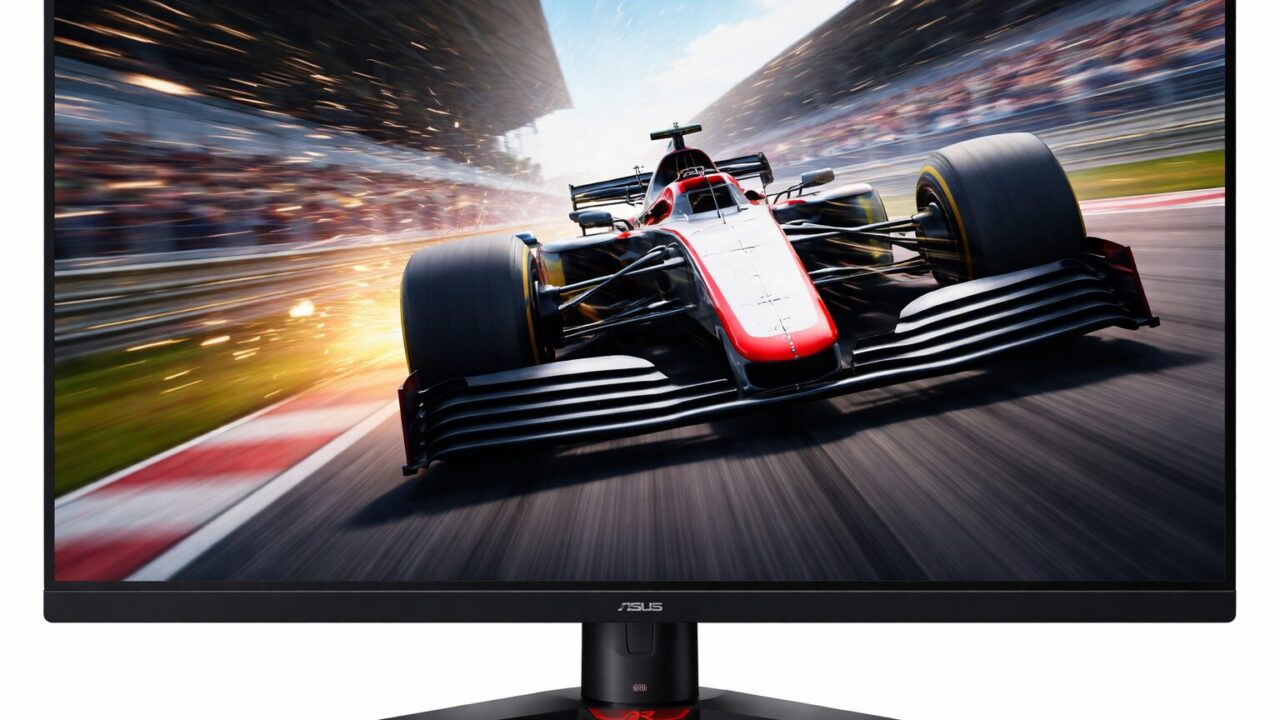
Experiencing screen tearing can ruin a match, which is why asus variable refresh rate is essential. By enabling asus variable refresh rate, your monitor syncs perfectly with your GPU. Whether you are navigating the high-stakes world of competitive shooters or getting lost in the cinematic landscapes of an open-world RPG, nothing breaks the immersion faster than jagged lines or micro-stuttering. Modern gamers expect a fluid experience, and that is exactly what this technology delivers by eliminating the mismatch between your graphics card output and your display update frequency. It creates a seamless bridge that makes every movement feel instantaneous and lifelike.
Many users on platforms like Reddit have spent countless hours debating the nuances of display technologies, but the consensus remains that syncing your frame rate is a game-changer. From the high-end ROG line to the budget-friendly TUF Gaming series, ASUS has integrated this feature to ensure stability across all platforms. If you are playing on a PS5 or a high-end PC running Windows 11, knowing how to leverage these settings is the key to unlocking the full potential of your hardware. In this comprehensive guide, we will explore everything from the basics of adaptive sync to advanced features like Variable Overdrive that keep your visuals crisp even when the action gets intense.
Setting up your display correctly is not just about aesthetics; it is about performance and eye comfort. Constant stuttering leads to increased fatigue, making it harder to stay focused during long sessions. By utilizing the latest HDMI 2.1 and DisplayPort 1.4 standards, ASUS monitors provide a wide range of operation for sync technologies, ensuring that even when your frame rate dips in demanding scenes, the motion remains smooth. We have analyzed the latest 2025 benchmarks to help you understand how to configure your system for the best results, whether you are chasing 480Hz in Counter-Strike 2 or enjoying 4K HDR at 60Hz.
- Technical breakdown of how ASUS sync technologies eliminate screen tearing and stutter.
- Detailed setup instructions for Windows 11 and PS5 to ensure active VRR support.
- Comparison of Variable Refresh Rate versus static high refresh rate performance.
- Selection of the best 2025 ASUS ROG and TUF monitors for an elite gaming experience.
- Mastering the Tech Behind ASUS Variable Refresh Rate for Peak Performance
- 1. Technical Overview and Comparison Table for ASUS Sync Features
- 2. Advantages and Disadvantages of Turning on Variable Refresh Rate
- 3. Management and Troubleshooting for Windows 11 and ASUS OSD
- 4. Comparison of VRR and High Refresh Rate for Competitive Play
- 5. Platform Specifics for PS5 CS2 and Variable Overdrive Performance
- Top 5 ASUS Monitors with Variable Refresh Rate for 2025 Gaming
- Summary: Creating the Ultimate Visual Foundation with ASUS
Mastering the Tech Behind ASUS Variable Refresh Rate for Peak Performance

- Technical Overview and Comparison Table for ASUS Sync Features
- Advantages and Disadvantages of Turning on Variable Refresh Rate
- Management and Troubleshooting for Windows 11 and ASUS OSD
- Comparison of VRR and High Refresh Rate for Competitive Play
- Platform Specifics for PS5 CS2 and Variable Overdrive Performance
1. Technical Overview and Comparison Table for ASUS Sync Features
The core of asus variable refresh rate is the ability to dynamicially adjust the display update speed to match the GPU output. This prevents the monitor from showing parts of two different frames at once, which is the cause of tearing. While traditional V-Sync fixed tearing by capping the frame rate, it introduced significant input lag that was unacceptable for gaming. ASUS monitors solve this by using Adaptive-Sync, G-Sync Compatible, or FreeSync Premium Pro certifications to provide a fluid experience without the lag penalty. The table below illustrates how these different sync modes compare in terms of their impact on your gaming environment.
| Feature | V-Sync (Legacy) | G-Sync / FreeSync | ASUS Variable Refresh Rate |
|---|---|---|---|
| Input Lag | High / Noticeable | Extremely Low | Optimized for 2025 Hardware |
| Screen Tearing | Eliminated | Eliminated | None (Total Synchronization) |
| Stuttering | Frequent during dips | Minimal to None | Intelligent Smoothing |
| Best Use Case | Non-gaming media | Standard Competitive | Elite 4K and OLED Gaming |
By looking at the table, you can see that the modern implementation of asus variable refresh rate is the clear winner for any serious setup. This technology works by allowing the monitor to wait for the next frame to be fully rendered before refreshing the screen. This is particularly important for 2025 titles that feature complex ray tracing and heavy AI processing, where frame rates can fluctuate wildly depending on the scene. Without this synchronization, the transition between a quiet room and a busy outdoor battlefield would be jarring and visually disruptive, potentially costing you a win in a high-stakes match.
Choosing an ASUS monitor ensures that you are getting a display that has been tested for compatibility across multiple GPU architectures. Whether you use an NVIDIA GeForce or an AMD Radeon card, the sync will function flawlessly within its specified range. For enthusiasts, this means you are not locked into a single ecosystem when you decide to upgrade your graphics card in the future. The reliability of the ROG and TUF lines comes from years of firmware refinement, providing a plug-and-play experience that lets you focus on the game rather than the settings menu.
2. Advantages and Disadvantages of Turning on Variable Refresh Rate
When considering if it is good to turn on variable refresh rate, the advantages far outweigh the few drawbacks. The most immediate benefit is the absolute smoothness of motion across your screen. In titles where the camera moves rapidly, like racing games or first-person shooters, the lack of tearing makes the world feel much more solid and reactive. This visual consistency also reduces eye strain, as your brain does not have to work as hard to interpret broken or stuttering images. It is an essential feature for anyone who spends several hours a day in front of their monitor.
However, there are some minor disadvantages to consider, particularly on certain panel types like OLED. Some users on Reddit have reported flickering in dark scenes when using VRR, especially if the frame rate is fluctuating near the lower end of the monitor sync range. This occurs because the brightness of an OLED pixel can vary slightly depending on the refresh rate. While ASUS has introduced firmware updates to mitigate this, it is something to be aware of if you play many horror games or titles with dark environments. In these cases, maintaining a more stable frame rate through game settings can help alleviate the issue.
Another point of discussion is whether you should turn on variable refresh rate in competitive games like CS2. Some professional players prefer to disable all sync features to achieve the absolute lowest raw input latency, even if it means dealing with minor tearing. However, for 99 percent of players, the improved visual clarity and lack of stuttering from asus variable refresh rate provide a much better experience. It allows for more consistent tracking of targets and a clearer view of the battlefield, which often translates to better performance in the long run. The trade-off is minimal, especially with the 2025 ASUS ROG Swift Pro series which features incredibly low latency.
Ultimately, the decision to keep the setting on or off depends on your sensitivity to tearing versus potential flickering. For the vast majority of modern setups, keeping it enabled is the superior choice for a high-end experience. The benefits of a cohesive, tear-free image are transformative, making the virtual world feel much more tangible. If you are using a high-resolution 4K display, the added stability from sync technology is almost mandatory to enjoy the level of detail provided by modern graphics cards. It is the foundation of a modern premium gaming station.
3. Management and Troubleshooting for Windows 11 and ASUS OSD
Knowing how to turn off variable refresh rate on ASUS or how to enable it is a vital skill for any enthusiast. In Windows 11, the setting is found under System, then Display, and finally Graphics. There is a toggle for Variable Refresh Rate that should generally be set to on for all gaming applications. Once enabled in the OS, you must also ensure that the setting is active within your GPU control panel. For NVIDIA users, this means checking the Setup G-SYNC section, while AMD users should look for the FreeSync toggle in the Adrenalin software.
On the monitor side, you must navigate the ASUS On-Screen Display (OSD) using the joystick on the back of the panel. Under the Gaming tab, you will find an option for Adaptive-Sync or G-Sync Compatible. Ensure this is set to On. If you find that asus variable refresh rate not working as expected, the most common culprit is the cable. High-bandwidth cables are required to handle sync at high resolutions and refresh rates. Ensure you are using a certified DisplayPort 1.4 or HDMI 2.1 cable to avoid signal dropouts or flickering.
Troubleshooting also involves checking your game settings. Some older titles may have their own internal V-Sync settings that conflict with the global VRR setting. For the best results, it is usually recommended to turn off V-Sync in the game menu and let the ASUS hardware handle the synchronization. If you notice that your monitor is not hitting its peak refresh rate, double-check that your Windows refresh rate is set correctly in the Advanced Display settings. Keeping your drivers and monitor firmware updated via the ASUS support page is also essential for maintaining compatibility with new game releases.
For those looking for the ultimate level of control, the ASUS DisplayWidget Center software allows you to adjust these settings directly from your desktop without touching the physical monitor buttons. This is incredibly convenient for switching between a competitive mode where you might want sync off and a cinematic mode where you want it on. Having the ability to fine-tune your display with just a few clicks ensures that your monitor is always optimized for the task at hand. It is this level of integration that makes the ASUS ecosystem so appealing to power users.
4. Comparison of VRR and High Refresh Rate for Competitive Play
A common question among gamers is whether VRR is better than high refresh rate. The reality is that they are not mutually exclusive; they work together to provide the best possible results. A high refresh rate, such as 240Hz or 540Hz, reduces the time between screen updates, which inherently lowers input lag and makes motion clearer. However, if your GPU cannot consistently push 540 frames per second, you will still experience tearing or stuttering without synchronization. This is where asus variable refresh rate steps in to bridge the gap between your hardware output and the display capacity.
In competitive scenarios like Valorant or Counter-Strike 2, having a high refresh rate is the priority because it gives you the most up-to-date information on enemy positions. But even at high speeds, a frame rate that fluctuates can cause a feeling of inconsistency in mouse movement. By using asus variable refresh rate, you smooth out these fluctuations, providing a more reliable feel to your aim. This consistency is often more valuable for building muscle memory than a slightly higher but unstable frame rate. The synergy between a fast panel and sync technology is what defines a modern flagship gaming monitor.
For casual gamers, the difference between a static 144Hz and a variable 144Hz is night and day. In demanding titles like Starfield or Cyberpunk 2077, where frame rates often hover between 60 and 100 FPS, the lack of sync would result in a choppy and unpleasant experience. With VRR enabled, these lower frame rates feel remarkably fluid, almost as if the game were running at a much higher speed. It allows you to push your graphics settings higher without worrying about the occasional dip in performance. This flexibility is a major benefit for anyone who enjoys graphically intensive games.
The best approach for 2025 is to aim for a monitor that offers both a high ceiling and a wide variable range. ASUS ROG monitors are designed with this in mind, often supporting sync from 1Hz all the way up to their maximum frequency. This ensures that no matter what game you are playing or how powerful your current PC is, the monitor will adapt perfectly. It is a future-proof investment that ensures your display remains the strongest part of your setup as you upgrade your other components over time.
5. Platform Specifics for PS5 CS2 and Variable Overdrive Performance
When gaming on a console, the asus variable refresh rate ps5 experience is a major selling point. The PlayStation 5 supports VRR through its HDMI 2.1 port, allowing it to sync with compatible ASUS monitors to eliminate tearing in games with unlocked frame rates. Titles like Spider-Man 2 or God of War Ragnarok benefit immensely from this, as it allows for a 40 FPS mode that offers a perfect balance between resolution and smoothness. If you are a console gamer, ensuring your ASUS monitor is HDMI 2.1 certified is the key to unlocking these advanced features.
In the world of PC gaming, specific features like ASUS Variable OD (Overdrive) are designed to complement sync technologies. Traditional overdrive settings are fixed, which can lead to ghosting or overshoot if the refresh rate changes. ASUS Variable OD automatically adjusts the overdrive strength based on the current refresh rate, ensuring that motion remains crystal clear whether you are at 60Hz or 240Hz. This is a critical feature for maintaining competitive integrity and visual quality across all types of games. It prevents the smearing of moving objects that can occur on lower-quality displays.
For players of Counter-Strike 2, the question of variable refresh rate on or off CS2 is often a matter of personal preference. While the highest-level pros might leave it off to save every millisecond of lag, most players find that enabling it leads to a much more consistent and visually clear experience. The lack of tearing makes it easier to track grenades and enemy movements across the screen. When paired with ASUS ELMB-Sync (Extreme Low Motion Blur), you get the benefits of both strobe-based motion clarity and variable synchronization simultaneously, which is a unique advantage found only in ASUS gaming displays.
Understanding these platform-specific nuances allows you to tailor your experience to your specific hardware. Whether you are a dedicated PC enthusiast or a console gamer, the asus variable refresh rate technology provides a significant boost to your immersion and performance. By taking the time to configure these settings and choosing the right monitor, you ensure that your gaming sessions are always defined by fluid motion and absolute clarity. The future of gaming is variable, and ASUS is leading the way with innovative solutions for every type of player.
Top 5 ASUS Monitors with Variable Refresh Rate for 2025 Gaming
- ASUS ROG Swift OLED PG27AQDP (480Hz)
- ASUS ROG Strix XG27AQDMG (Glossy OLED)
- ASUS TUF Gaming VG27AQ3A (180Hz QHD)
- ASUS ROG Swift Pro PG248QP (540Hz TN)
- ASUS ROG Swift OLED PG32UCDM (4K 240Hz)
1. ASUS ROG Swift OLED PG27AQDP (480Hz)
The ASUS ROG Swift OLED PG27AQDP is a masterpiece of engineering, representing the absolute peak of 2025 gaming technology. This 27-inch WOLED monitor features an incredible 480Hz refresh rate, providing a level of motion clarity that was previously unthinkable. With asus variable refresh rate at its core, this display ensures that every single frame of its nearly 500Hz output is perfectly synchronized with your GPU. The near-instantaneous 0.03ms response time eliminates motion blur entirely, making it the ultimate tool for competitive esports professionals who demand the best.
Beyond its speed, the PG27AQDP offers the breathtaking contrast and color depth that only an OLED panel can provide. It features a new sub-pixel layout that significantly improves text clarity compared to older OLED models, making it a viable option for both gaming and productivity. The integrated custom heatsink keeps the panel cool, reducing the risk of burn-in and ensuring long-term reliability. If you want the fastest, smoothest, and most visually stunning display on the market today, this monitor is an investment in elite performance that will not disappoint.
The inclusion of AI Assistant features within the OSD helps you optimize your settings in real-time, while the ROG design aesthetic adds a touch of sophistication to your desk. It supports both G-Sync and FreeSync Premium Pro, guaranteeing a tear-free experience regardless of your graphics card choice. For those who refuse to compromise, the PG27AQDP is a bold statement of what is possible when cutting-edge panel technology meets expert firmware tuning. It is the definitive choice for the next generation of high-speed gaming.
2. ASUS ROG Strix XG27AQDMG (Glossy OLED)
The ASUS ROG Strix XG27AQDMG is a dream come true for gamers who prefer the high-contrast look of a glossy screen. Unlike most matte OLEDs, this monitor features a glossy coating that allows the colors to pop and the blacks to appear even deeper. This makes the asus variable refresh rate experience feel even more immersive, as the image has a level of clarity and vibrancy that is hard to match. It offers a 240Hz refresh rate and a QHD resolution, which is the sweet spot for many mid-to-high-end gaming PCs in 2025.
Safety and longevity are prioritized with the latest OLED Care features, including pixel cleaning and screen moving to protect your panel. The XG27AQDMG also includes Variable Overdrive, ensuring that the motion remains crisp even as your frame rate fluctuates in demanding scenes. This monitor is particularly effective for those who play in controlled lighting environments where the benefits of a glossy screen can truly shine. It provides a premium, boutique feel that elevates your entire gaming setup to a professional level.
The stand is robust and offers a full range of adjustments, allowing you to find the perfect ergonomic position for long gaming sessions. With its excellent I/O selection and support for the latest sync standards, it is a versatile performer that excels in everything from competitive shooters to cinematic adventures. The XG27AQDMG is for the enthusiast who values visual fidelity and color accuracy as much as speed, providing a balanced and incredibly satisfying experience that stands out in the crowded monitor market.
3. ASUS TUF Gaming VG27AQ3A (180Hz QHD)
The ASUS TUF Gaming VG27AQ3A is the perfect proof that you do not need to spend thousands of dollars to enjoy a high-end asus variable refresh rate experience. This 27-inch QHD monitor features a fast 180Hz refresh rate and an IPS panel that provides excellent color accuracy and wide viewing angles. It is designed for gamers who want a reliable and durable display that performs consistently across all genres. The TUF Gaming series is known for its rugged build quality and focus on the essential features that truly matter for gameplay.
Despite its accessible price point, the VG27AQ3A includes ELMB-Sync technology, allowing you to use motion blur reduction and variable refresh rate at the same time. This is a massive benefit for fast-paced games where you want the sharpest possible image without the tearing associated with traditional strobe settings. The 1ms response time ensures that ghosting is kept to a minimum, providing a competitive edge in online matches. It is a smart, high-value choice for anyone building a powerful mid-range gaming PC in 2025.
The minimalist design fits perfectly into any home office or gaming room, and the OSD is intuitive and easy to navigate. It supports both HDR10 and 130 percent sRGB color gamut, making it a great choice for light creative work as well. If you are looking for a monitor that delivers 90 percent of the performance of high-end ROG models at a fraction of the cost, the TUF Gaming VG27AQ3A is an outstanding performer that will exceed your expectations. It is a reliable partner for your daily gaming and productivity needs.
4. ASUS ROG Swift Pro PG248QP (540Hz TN)
The ASUS ROG Swift Pro PG248QP is a specialized tool built for one purpose: winning. Featuring a world-first 540Hz refresh rate on an Esports-TN panel, this monitor is designed for the most elite level of competitive play. The asus variable refresh rate implementation on this panel is tuned for the lowest possible latency, ensuring that your reflexes are never held back by your display. It features a unique adjustable base that can fold its feet inward to save desk space for large mousepads, showing the level of thought put into its design for pro gamers.
The 540Hz speed provides a level of fluid motion that makes tracking targets in games like CS2 or Valorant feel effortless. The inclusion of a built-in NVIDIA Reflex Analyzer allows you to measure exactly how much latency is in your system, from your mouse click to the screen update. This monitor is for the player who counts every millisecond and needs the most responsive hardware in existence. While it uses a TN panel to achieve its record-breaking speeds, the colors and contrast have been significantly improved over older generations, making it surprisingly pleasant for daily use.
ASUS has also integrated an ESS codec into the monitor, providing high-fidelity audio for your headphones directly from the display. This attention to detail extends to the cooling system and the OSD, which is packed with features designed for competitive optimization. If you are serious about climbing the ranks and want the fastest monitor that money can buy in 2025, the PG248QP is in a class of its own. It is a legendary piece of hardware that defines the current limit of gaming speed and responsiveness.
5. ASUS ROG Swift OLED PG32UCDM (4K 240Hz)
The ASUS ROG Swift OLED PG32UCDM is the ultimate dream for the 4K enthusiast. This 32-inch QD-OLED monitor combines a stunning 4K resolution with a lightning-fast 240Hz refresh rate, providing a level of detail and smoothness that is simply breathtaking. With asus variable refresh rate support, it handles the intense demands of 4K gaming with ease, ensuring that your cinematic adventures are never marred by screen tearing. The QD-OLED technology provides even higher peak brightness and more vibrant colors than standard OLED, making HDR content truly come to life.
This monitor is the perfect companion for a high-end PC or a PS5, offering HDMI 2.1 connectivity for full 4K 120Hz/144Hz support on consoles. The 32-inch size is ideal for immersion, filling your field of view without being as overwhelming as a television. It also features a built-in KVM switch, allowing you to control two different PCs with a single keyboard and mouse, which is a massive benefit for streamers or those who work and play on the same desk. The PG32UCDM is a versatile powerhouse that excels in every possible scenario.
The sophisticated cooling system and premium materials ensure that this monitor remains a centerpiece of your setup for years to come. It includes a specialized uniform brightness setting that prevents the screen from dimming during productivity tasks, a common annoyance with other OLEDs. If you want the absolute best 4K gaming experience available in 2025, with perfect blacks, infinite contrast, and professional-grade speed, the PG32UCDM is the final destination for your setup. It is a stunning display that will make you fall in love with your favorite games all over again.
Summary: Creating the Ultimate Visual Foundation with ASUS
 Selecting the right monitor and mastering the asus variable refresh rate settings is the most impactful upgrade you can make to your gaming environment. As we have seen, the asus variable refresh rate technology provides the essential synchronization needed to eliminate tearing and stuttering, ensuring that your high-end GPU can truly shine. Whether you choose the record-breaking speed of the 480Hz PG27AQDP or the breathtaking 4K clarity of the PG32UCDM, an ASUS monitor provides a reliable and high-performance foundation for all your digital adventures. The combination of industry-leading hardware and refined firmware ensures that you are always at the cutting edge of visual technology.
The transition to a synchronized gaming world is about more than just technical specs; it is about the feeling of absolute control and immersion. By following the configuration steps for Windows 11 and your console, you protect your investment and ensure that you are getting the smooth experience you deserve. Modern features like Variable Overdrive and ELMB-Sync further enhance this experience, proving that ASUS is dedicated to solving the real-world problems that gamers face every day. It is this commitment to innovation that makes the ROG and TUF lines the preferred choice for enthusiasts around the world in 2025.
As you look toward the future of your setup, remember that your display is your window into the game world. Investing in a quality ASUS monitor with robust sync support is a strategic move that will benefit you through several GPU upgrade cycles. We hope this guide has provided the clarity you need to optimize your settings and choose the perfect display for your needs. The feeling of a perfectly synced 240Hz or 480Hz session is something every gamer should experience. I hope this helps you achieve the ultimate gaming setup you have been dreaming of. Would you like me to help you compare the specific color calibration profiles or cable requirements for these latest 2025 models?