Ryzen 5 7600 Intel Equivalent Guide
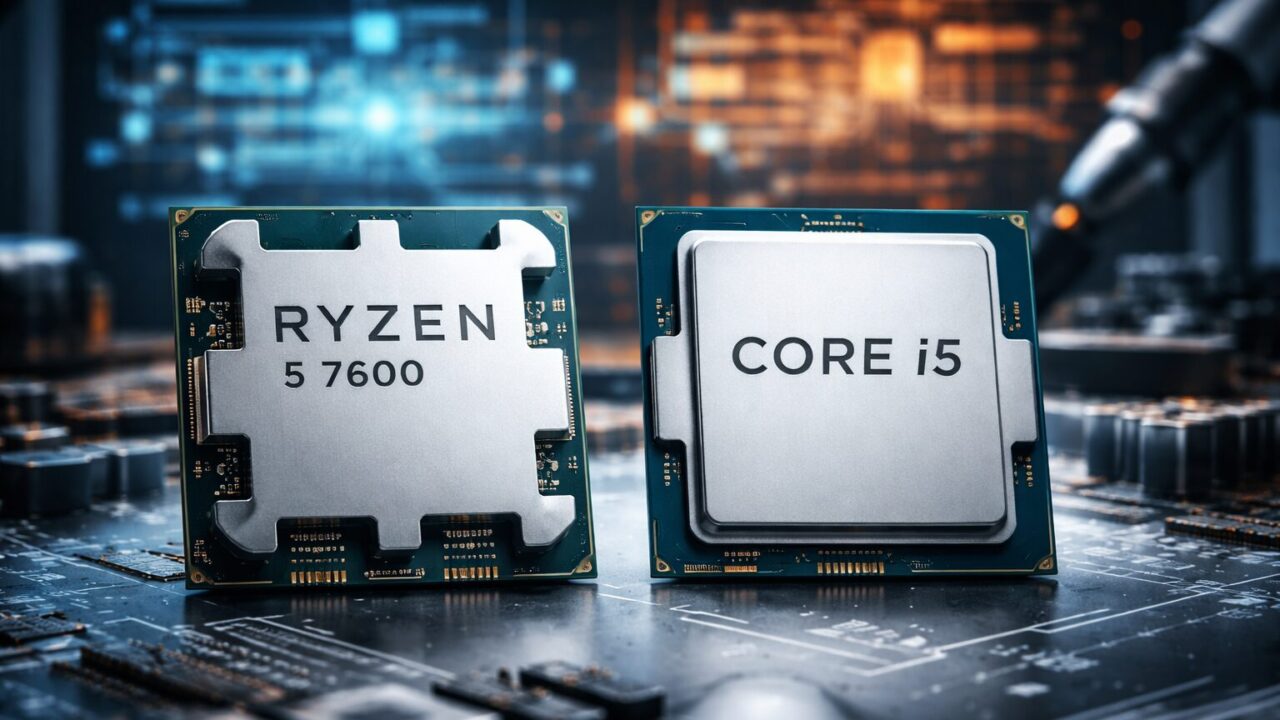
Choosing a Ryzen 5 7600 intel equivalent is a vital step for any PC builder aiming for high performance without overspending. This Ryzen 5 7600 intel equivalent comparison helps you decide between the AM5 platform and Intel’s established LGA 1700 lineup. Whether you are looking at the Core i5-13400 or the newer 14th Gen chips, understanding the nuances in clock speeds and core counts is necessary for a balanced build. In this guide, we explore the best alternatives and performance metrics to ensure your gaming rig or workstation meets every demand of 2025 technology.
Selecting the right processor involves looking at more than just raw numbers. You need to consider power efficiency, thermal output, and the total cost of the platform including memory and motherboards. While the Ryzen 5 7600 offers an incredible entry point into the DDR5 era, Intel provides versatility with its hybrid architecture. We have analyzed the latest benchmarks to provide a clear picture of how these mid-range titans stack up against each other in real-world scenarios.
- Comparison of Ryzen 5 7600 vs Core i5-13400 and i5-14400F benchmarks.
- Analysis of gaming performance, multitasking, and content creation workloads.
- Evaluation of platform longevity, power efficiency, and value for money.
- Top recommended CPUs and laptops if you want “Ryzen 5 7600 equivalent performance” in 2025.
Decoding the Ryzen 5 7600 Intel Equivalent Performance

- Ryzen 5 7600 vs Intel Core i5 Comparison Table
- Gaming Performance and Efficiency Realities
- Productivity Benchmarks for Modern Workflows
- Laptop Alternatives and Mobile Performance
- Platform Longevity and Future Upgrade Paths
1. Ryzen 5 7600 vs Intel Core i5 Comparison Table
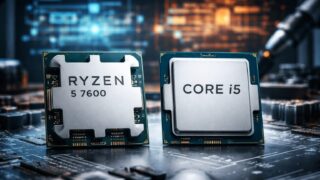
When looking for a Ryzen 5 7600 intel equivalent, the primary competitors are the Core i5-13400 and the newer i5-14400F. The table below outlines the core specifications that define these mid-range powerhouses. The Ryzen 5 7600 features 6 cores and 12 threads with a focus on high single-core clocks, which is a major benefit for gaming. Intel’s counterparts utilize a hybrid architecture, combining performance cores with efficiency cores to handle background tasks effectively while maintaining solid throughput in heavy applications.
| Feature | AMD Ryzen 5 7600 | Intel Core i5-13400 | Intel Core i5-14400F |
|---|---|---|---|
| Cores/Threads | 6 / 12 | 10 / 16 | 10 / 16 |
| Base Clock | 3.8 GHz | 2.5 GHz | 2.5 GHz |
| Boost Clock | 5.1 GHz | 4.6 GHz | 4.7 GHz |
| L3 Cache | 32 MB | 20 MB | 20 MB |
| Architecture | Zen 4 | Raptor Lake | Raptor Lake Refresh |
While the core count on the Intel side looks higher, the Ryzen 5 7600 often leads in pure gaming scenarios due to its superior L3 cache size and higher boost frequencies. The Zen 4 architecture is highly optimized for low-latency communication between cores, which translates to smoother frame times in competitive titles. However, the Intel chips show their strength in multi-threaded productivity where those extra efficiency cores can take over background processing. This makes the choice dependent on whether your priority is strictly gaming or a mix of work and play.
One potential disadvantage of the Ryzen 5 7600 is its strict requirement for DDR5 memory, which can lead to a slightly higher initial build cost compared to Intel’s platform that supports older DDR4. However, the benefits of the newer memory standard include much higher bandwidth and better future-proofing. By investing in the AM5 platform now, you gain access to a socket that will likely support several more generations of CPUs. This balance of current performance and future value makes the R5 7600 a compelling choice for builders in 2025.
2. Gaming Performance and Efficiency Realities
In the world of gaming, the Ryzen 5 7600 is often considered the gold standard for mid-range builds. When comparing it to an i5 alternative, the R5 7600 consistently delivers impressive frame rates in CPU-intensive titles like Valorant or Counter-Strike 2. This is largely due to the efficiency of the Zen 4 cores and the large 32MB L3 cache that reduces data bottlenecks. Most gamers will find that the R5 7600 performs on par with or even exceeds the more expensive Intel i5-13600K in specific gaming benchmarks while using significantly less power.
Power efficiency is where the Ryzen 5 7600 truly shines. It operates at a 65W TDP, and even under full load, it remains much cooler than many Intel 13th and 14th Gen processors. This means you can achieve peak performance with a standard air cooler, saving you money on expensive liquid cooling setups. For those building in small form factor cases, the thermal characteristics of the R5 7600 are a massive advantage, preventing thermal throttling and keeping the system quiet during intense gaming sessions.
While Intel chips like the i5-14400F are capable, they often require more power to reach similar boost clocks, leading to higher electricity costs and more heat output. The R5 7600 provides a smoother experience for users who want a plug-and-play solution that does not require complex BIOS tuning to manage temperatures. The efficiency of the AMD 5nm process node is evident here, providing a modern gaming experience that is both fast and incredibly economical. It is the perfect choice for a rig that stays cool under pressure.
3. Productivity Benchmarks for Modern Workflows
When it comes to productivity, the discussion around a Ryzen 5 7600 intel equivalent shifts toward multi-core capabilities. In tasks like video editing, 3D rendering, or heavy multitasking, Intel’s Core i5-13400 and i5-14400F leverage their hybrid core design. With 6 performance cores and 4 efficiency cores, these Intel processors can handle intensive foreground tasks while background applications are managed by the smaller cores. This architecture can sometimes offer a slight edge in applications like Adobe Premiere Pro or DaVinci Resolve compared to the 6-core Ryzen setup.
However, do not underestimate the Ryzen 5 7600 in professional environments. Its 12 threads are highly capable, and the high IPC (instructions per clock) of the Zen 4 architecture ensures that single-threaded tasks are finished incredibly fast. For software development or general office productivity, the difference between these chips is often negligible. The R5 7600 remains snappy and responsive, especially when paired with fast Gen5 NVMe storage which is supported on the AM5 platform. It handles large datasets and complex spreadsheets with ease.
The main takeaway for productivity users is the trade-off between core count and core efficiency. If your daily work involves massive multi-threaded renders that take hours, the extra efficiency cores on the Intel side might save you a few minutes. But for the vast majority of users who balance gaming with creative work, the Ryzen 5 7600 offers a more balanced profile. Its consistent performance across all cores ensures there are no surprises when switching between different types of software. This reliability is a key factor for anyone using their PC for income-generating tasks.
4. Laptop Alternatives and Mobile Performance
For those looking for a Ryzen 5 7600 intel equivalent in the laptop market, the landscape is slightly different. The mobile version of this processor, often found in the Ryzen 7040 or 8040 series, competes directly with Intel’s Core i5-13500H or Ultra 5 series. Laptop users often prioritize battery life and integrated graphics performance, where AMD has a significant lead. The Radeon 780M integrated graphics found in many Ryzen laptops allow for light gaming without the need for a dedicated GPU, which is a major benefit for thin and light devices.
Intel’s mobile offerings are excellent for high-end workstations that are always plugged in. Their H-series processors can boost to very high frequencies, providing great burst performance for tasks like photo editing. However, they tend to consume more power, which can lead to shorter battery life and louder fan noise. If you are searching for a mobile Ryzen 5 7600 equivalent, you should look for laptops that feature the Ryzen 5 7640HS or the newer Ryzen 5 8640HS, as these offer the closest match to the desktop performance in a portable form factor.
Ultimately, the choice between AMD and Intel on mobile depends on your lifestyle. If you travel frequently and need a laptop that lasts all day, the efficiency of the Ryzen platform is hard to beat. If you need the absolute maximum multi-core performance for short bursts of heavy work, the Intel hybrid architecture is very effective. Both brands have narrowed the gap significantly in 2025, ensuring that whether you choose a Ryzen or Intel laptop, you are getting a device that can handle modern workloads and entertainment with ease.
5. Platform Longevity and Future Upgrade Paths
One of the most important factors when considering a Ryzen 5 7600 intel equivalent is the motherboard socket. AMD’s AM5 socket is relatively new and is committed to being supported through at least 2027. This means that if you buy a Ryzen 5 7600 today, you can likely upgrade to a Ryzen 9000 or even a future Ryzen 10000 series chip in a few years without changing your motherboard. This longevity offers incredible value for builders who do not want to rebuild their entire system every time a new CPU generation is released.
In contrast, Intel’s LGA 1700 socket, which supports the 12th, 13th, and 14th Gen processors, has reached the end of its life. If you purchase an i5-14400F today, there is no further upgrade path on that motherboard. To get a faster CPU in the future, you will have to buy a new motherboard with a different socket. While the Intel platform is mature and very stable, it lacks the long-term flexibility that the AMD AM5 platform provides. For anyone thinking about the next five years of their computing life, this is a decisive factor in favor of the Ryzen 5 7600.
Beyond the CPU, the AM5 platform also offers better support for the latest standards like PCIe 5.0 for both graphics cards and SSDs on many mid-range boards. While current hardware rarely saturates these speeds, having the bandwidth available ensures your system will remain relevant as faster storage technology becomes mainstream. Investing in a Ryzen 5 7600 is not just about the performance you get today, but about the ease and affordability of keeping your PC at the cutting edge for years to come. It is a strategic choice for the smart builder.
Top 5 Best Processors and Components for Your Build
- AMD Ryzen 5 7600 and Intel Core i5-13400
- Intel Core i5-14400F and AMD Ryzen 5 7600X
- Intel Core i5-13600K and AMD Ryzen 7 7700
- Intel Core i5-14500 and AMD Ryzen 5 8600G
- Intel Core i5-12600KF and AMD Ryzen 5 7500F
1. AMD Ryzen 5 7600 and Intel Core i5-13400
The AMD Ryzen 5 7600 is the ultimate starting point for a modern PC. It provides a perfect blend of high-speed gaming performance and incredible power efficiency. By choosing this processor, you are securing a spot on the AM5 platform, ensuring that your computer stays relevant for years. It comes with a capable cooler in the box, making it a cost-effective solution for anyone who wants a powerful rig without the complexity of liquid cooling. You will appreciate the snappy performance in everyday tasks and the smooth frame rates in the latest titles.
The Intel Core i5-13400 serves as a fantastic alternative for those who need a bit more multi-threaded power. With its 10 cores, it handles background tasks like a pro, making it ideal for streamers or those who keep many applications open at once. It is a reliable workhorse that fits into the mature LGA 1700 ecosystem, offering compatibility with both DDR4 and DDR5 memory. This flexibility allows you to save money by using existing parts while still enjoying modern processing speeds. It is a safe and high-quality choice for any versatile home office or gaming setup.
2. Intel Core i5-14400F and AMD Ryzen 5 7600X
The Intel Core i5-14400F is the latest refinement of Intel’s mid-range architecture. It is designed for gamers who use a dedicated graphics card and want the best price-to-performance ratio from the 14th Gen lineup. This processor is incredibly stable and offers slightly higher clock speeds than its predecessor, giving you that extra edge in competitive gaming. It is a hassle-free chip that provides consistent results across all modern software. If you want a modern Intel system that just works, this is the processor to get for your new build.
For those who want a bit more speed from the AMD side, the AMD Ryzen 5 7600X is a step up that offers higher boost clocks right out of the box. It is built for enthusiasts who want to squeeze every bit of performance out of their hardware. While it does not include a cooler, it rewards you with blazing-fast speeds in single-threaded applications. This chip is a favorite for gamers who prioritize high refresh rate monitors and need a CPU that can keep up with a powerful GPU. It is a high-octane version of the standard 7600 that delivers pure power.
3. Intel Core i5-13600K and AMD Ryzen 7 7700
The Intel Core i5-13600K is a legendary processor that punches far above its weight class. It features 14 cores and is fully unlocked for overclocking, allowing you to push its performance even further. This is the choice for users who want near-i7 levels of performance at a more accessible price point. It handles intensive video editing and gaming simultaneously without breaking a sweat. If you are looking for a chip that can dominate any task you throw at it, the 13600K is a premium mid-range option that will never let you down.
Stepping up to the AMD Ryzen 7 7700 gives you 8 full-performance cores, making it a fantastic choice for more intensive productivity. Like the 7600, it is incredibly efficient and comes with an RGB cooler that adds a touch of style to your build. The 8-core configuration is becoming the new standard for modern gaming, ensuring that you have plenty of overhead for future titles. It offers a smooth and powerful experience on the AM5 platform, combining high core counts with the efficiency of the Zen 4 architecture. It is a smart investment for a long-lasting PC.
4. Intel Core i5-14500 and AMD Ryzen 5 8600G
The Intel Core i5-14500 offers a significant jump in core count, featuring 14 cores that make it a productivity monster in the mid-range segment. It is perfect for professionals who need a reliable system for coding, rendering, or large-scale data analysis. This processor provides a great balance of speed and multi-tasking capability, ensuring that your workflow remains uninterrupted. It is a solid, high-performance chip that represents the pinnacle of Intel’s non-K series processors, offering great value for those who do not plan on overclocking their system.
The AMD Ryzen 5 8600G is a unique processor that features the most powerful integrated graphics in its class. It is the perfect solution for small form factor builds or budget gaming setups where a dedicated graphics card is not an option. You can play many popular games at 1080p with decent settings using just this CPU. Beyond its graphics prowess, it is still a very capable 6-core processor for daily tasks. It represents the cutting edge of APU technology, providing a versatile and compact solution for modern computing needs without the bulk of a large GPU.
5. Intel Core i5-12600KF and AMD Ryzen 5 7500F
The Intel Core i5-12600KF remains a hidden gem in 2025. It offers fantastic performance with its 10 cores and unlocked multiplier, often available at a steep discount. Since it lacks integrated graphics, you get more power for your money, making it a favorite for budget-conscious gamers who are already planning to use a graphics card. It delivers a high-end experience that still competes with the latest generations, proving that older architecture can still be relevant. It is the perfect way to build a high-speed gaming rig on a tighter budget.
Finally, the AMD Ryzen 5 7500F is a specialized version of the 7600 that removes the integrated graphics to offer the best possible price. It is the most affordable way to get onto the AM5 platform, giving you access to DDR5 memory and future CPU upgrades at a record-low cost. Despite the lower price, it maintains the excellent gaming performance that the Ryzen 7000 series is known for. It is a strategic choice for builders who want to allocate more of their budget toward a powerful graphics card while still having a modern, fast processor at the heart of their system.
Summary: Selecting Your Perfect Ryzen or Intel Powerhouse
 Choosing between a Ryzen 5 7600 and its Intel equivalent is an exciting milestone in your PC building journey. Each processor we have discussed offers a unique set of strengths tailored to different needs, from the pure gaming efficiency of the Ryzen 5 7600 to the versatile multi-tasking power of the Intel Core i5-14400F. By understanding how these chips perform in the real world, you can build a system that not only meets your current demands but also stands the test of time. The mid-range market has never been more competitive, providing you with incredible options at every price point.
The best approach is to consider your long-term goals. If you value a clear upgrade path and a cool-running system, the AMD AM5 platform with a Ryzen 5 7600 is a fantastic choice that offers peace of mind for years. On the other hand, if you need a reliable, high-performance machine today and prefer the flexibility of Intel’s hybrid architecture, the 13th and 14th Gen i5 chips are proven winners. Regardless of your choice, the jump in performance from older hardware will be transformative, allowing you to enjoy your favorite games and creative projects like never before.
We hope this comparison has clarified the differences between these modern processors and helped you feel more confident in your decision. Building a PC is about creating a tool that works for you, and whether you go with Team Red or Team Blue, you are setting yourself up for a superior computing experience. Take a moment to look at your budget and your most-used applications, and then pick the processor that aligns with your vision. Your future self will thank you for the smooth, high-speed performance of a well-chosen CPU. Would you like me to help you pick a compatible motherboard or RAM kit to go with your new processor?