Top Japanese Bluetooth Speaker Brands of 2025
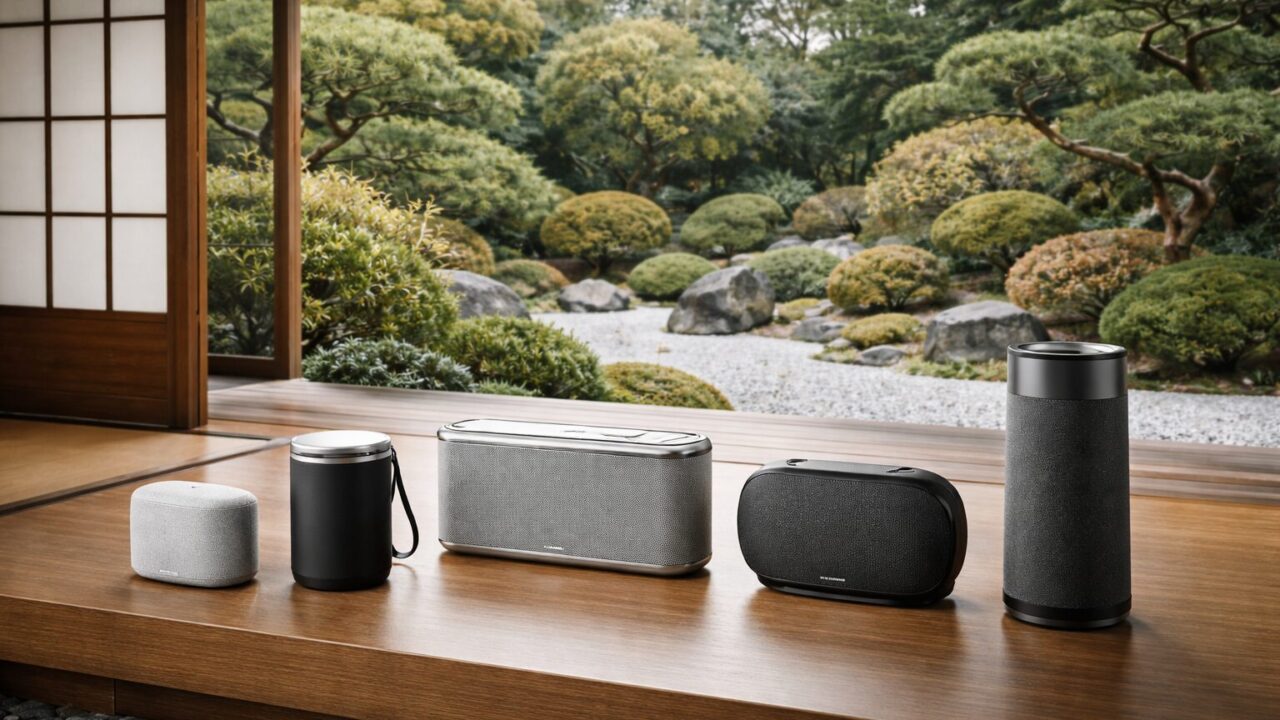
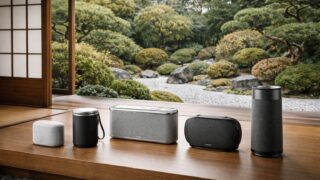
Exploring Japanese bluetooth speaker brands is the key to finding audio equipment that balances legendary reliability with modern tech. These Japanese bluetooth speaker brands have consistently led the industry in developing low-latency connections and high-resolution sound profiles for global consumers. In this guide, we evaluate the top manufacturers and specific models that define the current market, ensuring you find the best portable or home audio solution for your needs. Japan remains the global epicenter of high-fidelity engineering, and its portable offerings are no exception to this rule of excellence.
By investing in a brand with deep roots in acoustics, you are not just buying a wireless gadget; you are securing a piece of technology built to last. Whether you need a rugged outdoor companion or a sophisticated desktop unit, the precision of Japanese manufacturing provides peace of mind. We have analyzed the latest 2025 releases to ensure your audio investment brings the best possible return in both durability and sonic performance. From the rich heritage of Yamaha to the cutting-edge consumer tech of Sony, the options available today are more diverse and powerful than ever.
Choosing the right brand involves understanding the philosophy behind the sound. Some manufacturers prioritize bass and energy for parties, while others focus on True Sound and vocal clarity for a natural listening experience. This guide breaks down these nuances to help you find the perfect match for your lifestyle. We will look at connectivity standards like LDAC, battery longevity, and waterproof ratings to ensure your music never stops, regardless of the environment. Let us take a deep look at the brands that are currently setting the pace in the wireless audio world.
- Comparison of reliability and sonic philosophies between major Japanese audio manufacturers.
- Evaluation of proprietary technologies like Sony LDAC and Yamaha True Sound for 2025.
- Clarification on global brand origins to help you identify authentic Japanese engineering.
- Selection of the five most recommended Japanese portable and home speakers available today.
- The Excellence and Reliability of Japanese Bluetooth Speaker Brands
- 1. Reliability and Sound Standards of Leading Japanese Audio Manufacturers
- 2. Sony vs Yamaha: Comparing the Top Bluetooth Speaker Sound Profiles
- 3. Clarifying Brand Origins: Is JBL a Japanese Brand?
- 4. Advancements in Design and Portability for Japanese Portable Speakers
- 5. High Fidelity Standards and Sound Quality for Bluetooth Audio
- 6. 10 Iconic Japanese Brands Redefining Audio Excellence
- Top 10 Recommended Japanese Bluetooth Speakers to Buy in 2025
- 1. Sony SRS-XB100 Compact Travel Wireless Speaker
- 2. Sony ULT Field 1 Waterproof Portable Bluetooth Speaker
- 3. Sony SRS-XE300 X-Series Wireless Portable Speaker
- 4. Yamaha MusicCast 50 Wireless High-Power Speaker
- 5. Yamaha MusicCast 20 Compact Wireless Speaker
- 6. Denon Home 150 Wireless Smart Speaker with Alexa
- 7. Denon Home 250 Mid-Size Wireless Smart Speaker
- 8. Pioneer DM-40D-BT-W 4-inch Desktop Monitor Speakers
- 9. Onkyo Creator Series GX-10DB Powered Monitors
- 10. Onkyo Creator Series GX-30ARC Powered Speakers
- Summary: Enhancing Your Life with Japanese Audio Excellence
The Excellence and Reliability of Japanese Bluetooth Speaker Brands
- Reliability and Sound Standards of Leading Japanese Audio Manufacturers
- Sony vs Yamaha: Comparing the Top Bluetooth Speaker Sound Profiles
- Clarifying Brand Origins: Is JBL a Japanese Brand?
- Advancements in Design and Portability for Japanese Portable Speakers
- High Fidelity Standards and Sound Quality for Bluetooth Audio
- 10 Iconic Japanese Brands Redefining Audio Excellence
1. Reliability and Sound Standards of Leading Japanese Audio Manufacturers
Japanese bluetooth speaker brands are globally recognized for their strict quality control and long-term reliability. Unlike many mass-produced units that fail after a year of use, Japanese manufacturers like Sony, Yamaha, and Denon utilize high-grade components that ensure consistent performance over time. This commitment to longevity is a core part of the Japanese monozukuri (craftsmanship) spirit, where the goal is to create products that the user can rely on for years. This reliability is especially important for portable units that are subjected to the elements, such as moisture, dust, and physical impacts during travel.
The sound standards in Japan are also incredibly rigorous, focusing on a balance between technical accuracy and musical enjoyment. Brands often maintain their own specialized acoustic laboratories where every driver and enclosure is tuned to meet specific sonic targets. Below is a clear comparison table showing how these leading manufacturers stack up in terms of their core characteristics and target audiences. Using this data allows you to align your personal preferences with the manufacturer that best understands your auditory needs for a new home or mobile setup.
| Brand Name | Reliability Rating | Primary Sonic Characteristic | Best Use Case |
|---|---|---|---|
| Sony | Exceptional | Dynamic Bass and Modern Power | Outdoor Parties, Travel, General Use |
| Yamaha | Top Tier | Natural True Sound and Vocal Clarity | Kitchen, Bedroom, Critical Listening |
| Denon | High | Audiophile Warmth and Depth | Living Room, Office, Hi-Fi Setups |
| Audio-Technica | High | Balanced and Analytical Accuracy | Studio Monitoring, Mobile Reference |
Furthermore, these manufacturers lead the way in environmental resistance, often exceeding the standard IPX ratings for waterproof and dustproof capabilities. A Sony or Yamaha speaker is not just a piece of plastic; it is a sealed, acoustically optimized chamber designed to protect the internal electronics while delivering high-quality sound. This level of detail extends to the battery management systems, which are optimized to prevent degradation even with frequent charging cycles. Investing in these brands ensures that your digital music library is represented with the respect and clarity it deserves.
2. Sony vs Yamaha: Comparing the Top Bluetooth Speaker Sound Profiles
When choosing among Japanese bluetooth speaker brands, the rivalry between Sony and Yamaha is often the focal point for most consumers. Sony has mastered the consumer market by focusing on energetic, bass-heavy sound profiles that are perfect for modern pop, hip-hop, and EDM. Their X-Balanced Speaker Units and passive radiators are engineered to provide maximum air pressure within a small frame, resulting in a punchy sound that feels much larger than the device itself. For users who want to bring the party anywhere, Sony is the undisputed leader in creating an exciting and dynamic atmosphere.
Yamaha takes a more conservative and hi-fi oriented approach with their True Sound philosophy. Instead of boosting specific frequencies to sound loud, Yamaha aims for a natural reproduction that keeps vocals clear and the soundstage open. This makes Yamaha speakers ideal for acoustic music, podcasts, and classical tracks where the nuance of the performance is paramount. Their Clear Voice technology is a lifesaver for those who find standard portable speakers to be too muddy or muffled when people are speaking. It is a more sophisticated sound that appeals to those who appreciate the finer details of audio engineering.
The connectivity options also differ between these two giants. Sony heavily promotes its LDAC codec, which allows for high-resolution audio streaming over Bluetooth at a much higher bitrate than standard SBC. This is a massive benefit for Android users who want near-lossless quality. Yamaha often integrates their portable units into a larger ecosystem, allowing for easy transitions between mobile use and home multi-room setups. Both brands provide excellent mobile applications for fine-tuning the EQ, but Sony tends to offer more flashy lighting and party features, while Yamaha focuses on minimalist aesthetics and ease of use.
3. Clarifying Brand Origins: Is JBL a Japanese Brand?
A common point of confusion among consumers searching for Japanese bluetooth speaker brands is the origin of JBL. To be perfectly clear, JBL is not a Japanese brand; it is an American audio company founded by James B. Lansing in 1946. JBL is currently a subsidiary of Harman International, which is itself owned by the South Korean giant Samsung Electronics. The confusion often arises because JBL has a massive market share in Japan and maintains a significant engineering and marketing presence there. In fact, many high-end JBL products are designed with the Japanese audiophile market in mind, leading to a strong cultural association.
While JBL offers fantastic performance and is highly reliable, it represents a different engineering philosophy compared to domestic Japanese brands. JBL sound is often characterized by the West Coast sound, featuring a bright, forward, and highly efficient output that is synonymous with professional cinema and concert hall speakers. Japanese brands, by comparison, tend to focus more on the neutral and accurate reproduction found in recording studios. Understanding this distinction helps you manage your expectations when looking for that specific Japanese sound signature in your portable audio gear.
However, the competition from American and European brands has pushed Japanese manufacturers to innovate faster. The presence of JBL and Bose in the Japanese market has forced Sony and Yamaha to improve their bass response and aesthetic appeal. Today, the lines are blurring as global brands share technology and talent across borders. Even so, the fundamental commitment to internal component quality remains a hallmark of true Japanese-engineered speakers. If you are specifically looking for the heritage of Japanese acoustics, you should stick with brands that have their primary headquarters and R&D centers located within Japan.
4. Advancements in Design and Portability for Japanese Portable Speakers
The concept of the portable speaker has been redefined by Japanese designers who excel at maximizing efficiency in small spaces. Modern Japanese bluetooth speaker brands now offer units that are small enough to fit in a cup holder yet powerful enough to fill a medium-sized room. This is achieved through advanced materials like carbon fiber-reinforced diaphragms and highly efficient neodymium magnets. The goal is to reduce the weight for the traveler while increasing the structural integrity of the speaker to prevent unwanted resonance or distortion at high volumes.
Design aesthetics in Japan also tend toward the minimalist and functional. You will notice that brands like Yamaha and Sony use high-quality fabrics and textured finishes that are not only stylish but also provide a better grip and protection against scratches. Some of the latest 2025 models even feature recycled plastics and eco-friendly packaging, reflecting a global shift toward sustainability. This attention to the tactile experience makes owning a Japanese speaker feel like a premium experience, whether you are using it at a campsite or on a sleek modern bookshelf.
Portability is also enhanced through superior battery technology. Japanese brands often lead the industry in total playtime, with some compact models offering up to 25 or 30 hours on a single charge. This is made possible by intelligent power management chips that adjust the output based on the volume level and the content being played. Features like fast charging via USB-C have become standard, allowing you to get several hours of music from just a ten-minute charge. These practical innovations ensure that your Japanese portable speaker is always ready for your next outing without any downtime.
5. High Fidelity Standards and Sound Quality for Bluetooth Audio
Sound quality in the wireless era has reached a turning point where the difference between wired and Bluetooth is becoming difficult to hear for the average listener. Japanese bluetooth speaker brands have been at the forefront of this movement, developing high-resolution codecs and digital signal processing (DSP) that correct for the limitations of wireless transmission. Sony DSEE (Digital Sound Enhancement Engine), for example, works to upscale compressed files in real-time, restoring high-frequency details that are usually lost. This ensures that even your older MP3 files sound fresh and vibrant.
The hardware side is equally impressive. Japanese engineers often use a multi-driver approach even in small speakers, dedicating specific drivers to the bass, midrange, and treble. This prevents the sound from becoming congested when the music gets complex. For example, a dedicated tweeter ensures that cymbals and high-pitched vocals are crisp and clear, while a large passive radiator handles the heavy lifting of the low-end frequencies. This level of acoustic separation is what gives Japanese speakers their reputation for high fidelity and realistic soundstages.
In 2025, we are also seeing more Japanese brands integrate spatial audio and 360-degree sound technology into their portable offerings. This uses advanced algorithms to map the sound to the room, creating an immersive experience that feels like it is coming from all directions. This is a major benefit for those who want to use their Bluetooth speaker as a soundbar alternative or for watching movies on a tablet. By adhering to these high-fidelity standards, Japan’s top audio manufacturers continue to provide the best possible wireless audio experience for discerning listeners worldwide.
6. 10 Iconic Japanese Brands Redefining Audio Excellence
SONY
Sony stands as a global titan of innovation, consistently pushing the boundaries of what Bluetooth speakers can achieve. Renowned for their cutting-edge LDAC technology, Sony delivers high-resolution audio even over wireless connections. Their X-Series speakers are legendary for their EXTRA BASS™ capability, providing a deep, punchy sound that transforms any room into a concert hall. When you choose Sony, you are investing in a legacy of reliability, industry-leading battery life, and a sleek, modern aesthetic that complements any lifestyle.
YAMAHA
With a rich heritage in musical instrument manufacturing, Yamaha brings a unique philosophy to the world of Bluetooth speakers: “True Sound.” Their speakers are engineered to reproduce audio exactly as the artist intended, emphasizing tonal balance and natural textures. Yamaha’s sophisticated DSP technology ensures that even compact portable units deliver a wide, immersive soundstage. For those who value musicality and the artisan spirit of a brand that truly understands the “soul” of instruments, Yamaha is the gold standard.
Panasonic
Panasonic is a household name synonymous with quality and durability. Their Bluetooth speakers are designed for the modern consumer who demands versatility and seamless integration. Known for robust build quality and intuitive controls, Panasonic speakers offer a balanced audio profile that excels in both indoor and outdoor environments. Whether it is a rugged portable unit or a stylish home speaker, Panasonic ensures a lag-free, stable connection and long-term performance that you can trust for years to come.
Technics
Technics is the premium audio brand of Panasonic, representing the absolute pinnacle of high-end Japanese engineering. While world-famous for their turntables, their Bluetooth-enabled systems bring audiophile-grade precision to the wireless era. Utilizing high-performance JENO Engines and sophisticated acoustic designs, Technics speakers offer a level of clarity and spatial depth rarely found in wireless hardware. If you seek a luxury audio experience that combines heritage craftsmanship with futuristic technology, Technics is unrivaled.
DENON
With over a century of Hi-Fi history, Denon specializes in creating a “Vivid and Spacious” sound signature. Their Bluetooth speakers are meticulously tuned by Denon Sound Masters to ensure every detail of your favorite tracks is preserved. From the premium materials used in their chassis to the advanced drivers within, Denon focuses on providing a sophisticated, warm audio experience. Choosing Denon means choosing a brand that treats wireless audio with the same reverence and technical rigor as high-end home cinema systems.
ONKYO
Onkyo has long been a pioneer in the “Pure Audio” philosophy, focusing on minimizing interference and maximizing sonic purity. Their Bluetooth speakers are celebrated for their crystal-clear highs and well-defined mids, making them a favorite for fans of vocal and acoustic music. Onkyo’s commitment to high-quality internal components ensures that their wireless products provide a stable, high-fidelity link that rivals wired performance. It is a brand built for those who refuse to compromise on clarity, even when on the move.
Pioneer
Pioneer is the go-to brand for those who crave energy, power, and dynamic performance. Drawing from their deep roots in professional DJ equipment and car audio, Pioneer Bluetooth speakers are built to deliver high-impact sound that fills any space. They excel in creating speakers with exceptional durability and “party-ready” features, such as enhanced bass resonance and rugged exteriors. If you want a speaker that can keep up with an active lifestyle while delivering a bold, exciting sound, Pioneer is the definitive choice.
Victor / JVC
Victor (known globally as JVC) is famous for its unconventional and brilliant innovations, such as the Wood Cone technology. By using natural materials for speaker diaphragms, they produce a uniquely warm and organic sound that mimics the acoustics of a wooden concert hall. Their JVC “Tough” series also sets the bar for ruggedness, offering shockproof and waterproof speakers that are virtually indestructible. Victor/JVC represents the perfect marriage of experimental engineering and practical, real-world reliability.
KENWOOD
Kenwood is a brand that focuses on precision and sleek, functional design. Known for their expertise in mobile communications and car audio, Kenwood applies this knowledge to create Bluetooth speakers with exceptionally stable connectivity and clear, articulate sound. Their products often feature minimalist aesthetics that hide a wealth of technical sophistication, focusing on a clean frequency response. Kenwood is the ideal brand for the discerning user who appreciates a refined look combined with professional-grade audio performance.
FOSTEX
Fostex holds a special place in the hearts of professional audio engineers and DIY enthusiasts alike. As a brand that actually manufactures its own high-performance drivers, Fostex Bluetooth speakers offer a transparent, monitoring-grade sound that is rare in the consumer market. Their products are characterized by a “no-nonsense” design focus where every component is optimized for pure acoustic output. For the listener who wants to hear the raw, uncolored truth of their music, Fostex provides a professional studio experience in a wireless format.
Top 10 Recommended Japanese Bluetooth Speakers to Buy in 2025
- Sony SRS-XB100 Compact Travel Wireless Speaker
- Sony ULT Field 1 Waterproof Portable Bluetooth Speaker
- Sony SRS-XE300 X-Series Wireless Portable Speaker
- Yamaha MusicCast 50 Wireless High-Power Speaker
- Yamaha MusicCast 20 Compact Wireless Speaker
- Denon Home 150 Wireless Smart Speaker with Alexa
- Denon Home 250 Mid-Size Wireless Smart Speaker
- Pioneer DM-40D-BT-W 4-inch Desktop Monitor Speakers
- Onkyo Creator Series GX-10DB Powered Monitors
- Onkyo Creator Series GX-30ARC Powered Speakers
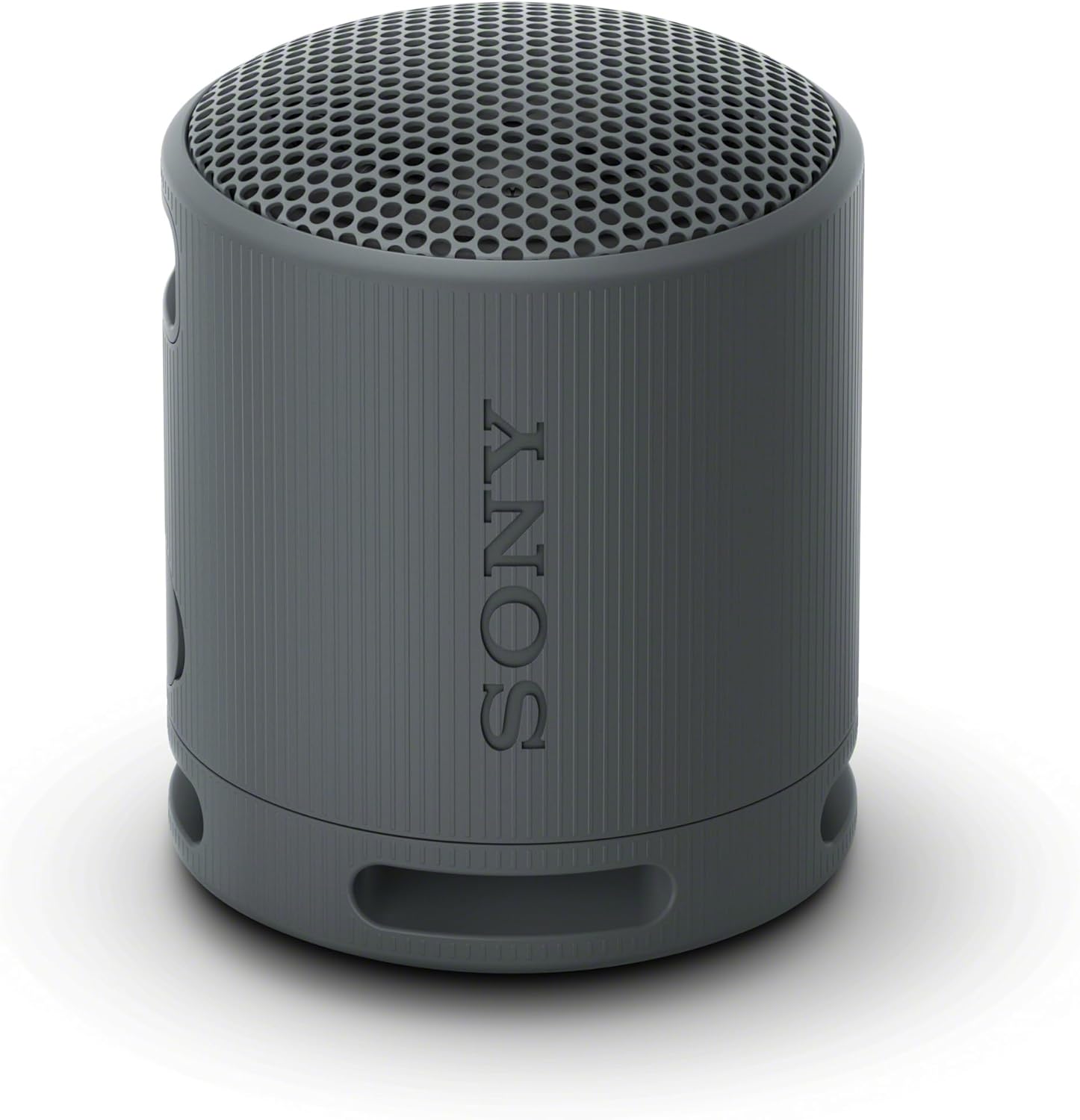
1. Sony SRS-XB100 Compact Travel Wireless Speaker
 Source: Sony Store
The Sony SRS-XB100 is the ultimate travel companion for those who demand high-quality sound in a tiny form factor. Despite its diminutive size, it packs a punch thanks to its Sound Diffusion Processor which uses DSP technology to expand the sound in any space. This means you can place it in the center of a gathering and everyone will experience the same clear, balanced audio profile. The passive radiator works in tandem with the full-range speaker to enhance low-end tones, giving your favorite tracks a depth that is truly surprising for its dimensions.
To help you decide which Japanese speaker fits your life best, here is a comparison of the top models based on their primary use case and performance. This table highlights the trade-offs between ultra-portability and high-fidelity home audio. Understanding these differences is crucial before investing in a high-end sound system.
| Feature | Sony SRS-XB100 | Yamaha MusicCast 50 | Denon Home 250 |
|---|---|---|---|
| Type | Ultra-Portable | Home Audio / Multi-room | High-Fidelity Smart |
| Battery Life | 16 Hours | AC Powered | AC Powered |
| Connectivity | BT 5.3 / Hands-free | BT / WiFi / Alexa | BT / WiFi / HEOS |
| Waterproof | IP67 Rating | Indoor Use | Indoor Use |
Durability is a key pillar of Sony design, and the XB100 is no exception with its IP67 waterproof and dustproof rating. You can take this speaker to the beach, the pool, or even use it in the shower without worrying about splashes or debris. The battery life is equally impressive, offering up to 16 hours of playback on a single charge so the music never has to stop. It also features a versatile multi-way strap that allows you to hang it from your backpack or a bicycle handle during your travels.
In addition to its acoustic performance, the XB100 excels at functional connectivity with its built-in microphone for hands-free calling. The echo cancelling technology ensures that your voice is heard clearly on the other end, making it useful for both social calls and remote work meetings. The UV coating on the exterior provides added protection against sun damage, ensuring the sleek black finish stays looking new for years. It is a smart, affordable investment for anyone who wants a reliable Japanese audio experience that fits in the palm of their hand.
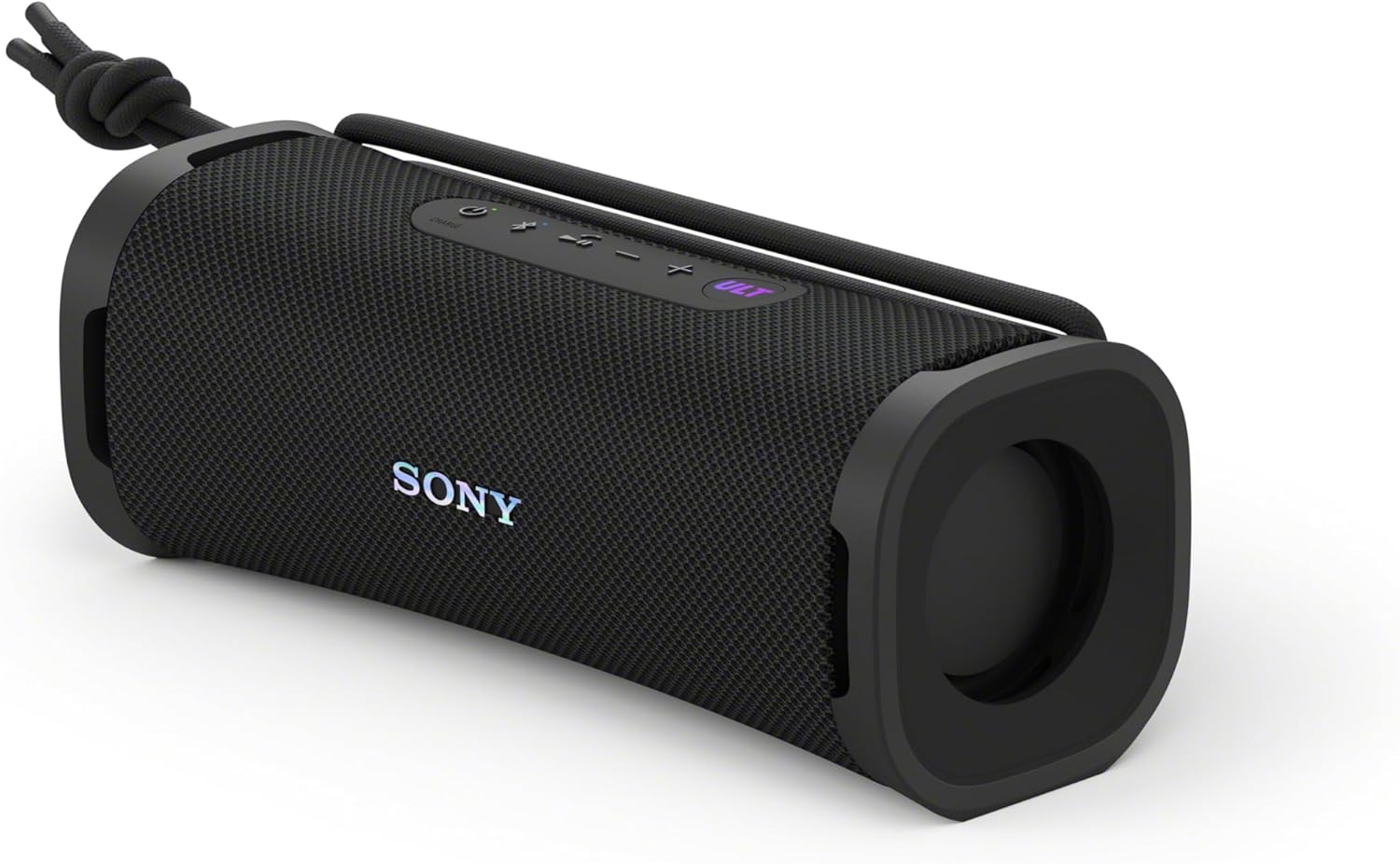
2. Sony ULT Field 1 Waterproof Portable Bluetooth Speaker
 Source: Sony Store
The Sony ULT Field 1, also known as the SRSULT10B, is designed specifically for those who love powerful, enhanced bass in a rugged package. This speaker features the ULT button, which triggers a specialized sound mode that increases low-end frequencies and sound pressure. The result is a vibrant, high-energy audio experience that makes hip-hop and electronic music feel incredibly immersive even in outdoor environments. It is a compact powerhouse that refuses to sacrifice performance for its portable size.
Beyond the sound, the ULT Field 1 is built to survive the elements with an IP67 rating that is waterproof, dustproof, shockproof, and even rustproof. This makes it one of the most durable speakers in the Sony lineup, perfect for hiking trips or beach parties where conditions can be unpredictable. The 12-hour battery life ensures you have enough power for a full day of activity, and the detachable multi-way strap adds a level of convenience for carrying it wherever you go. The matte black finish is both stylish and resistant to fingerprints.
Technically, the speaker supports high-quality Bluetooth streaming and features a multi-layout design, meaning it sounds great whether placed horizontally or vertically. This flexibility allows you to fit it into tight spaces on a shelf or keep it stable on uneven ground outdoors. The shockproof design has been extensively tested to withstand everyday drops and bumps, providing peace of mind for active users. It represents the perfect blend of Sony heritage and modern rugged technology for the 2025 consumer who lives life on the move.
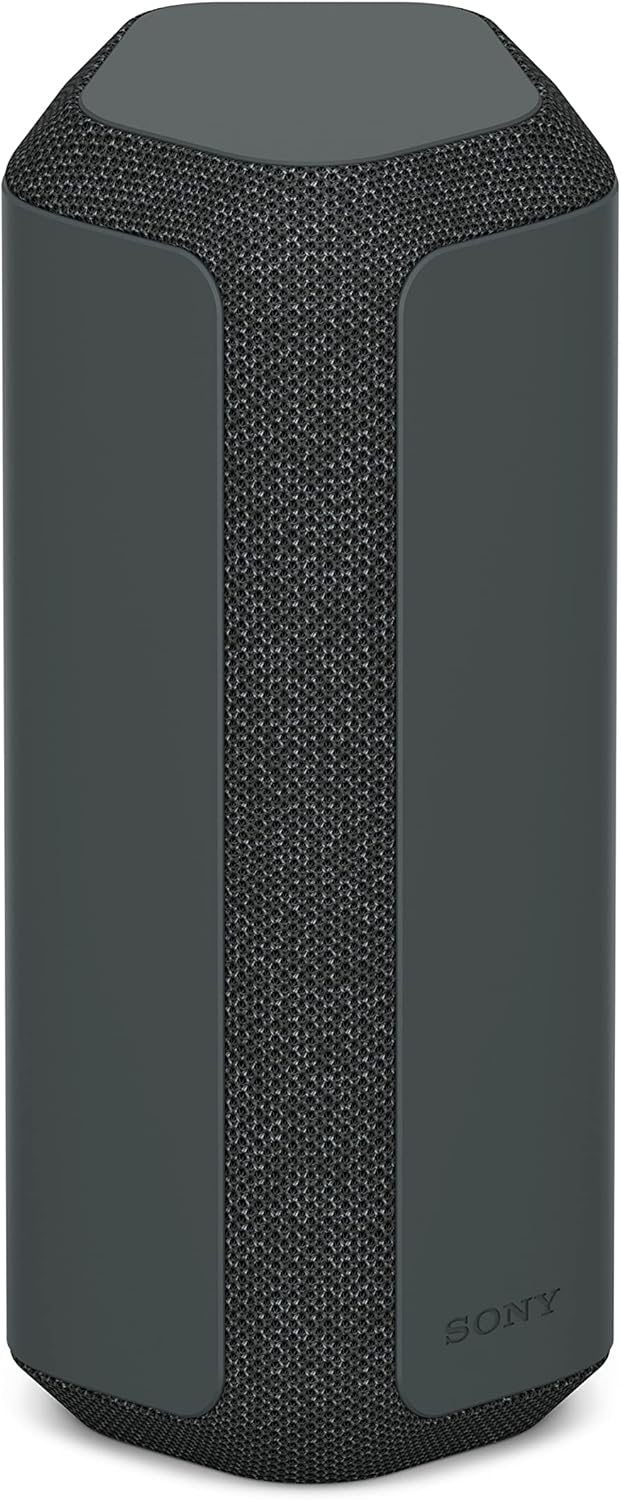
3. Sony SRS-XE300 X-Series Wireless Portable Speaker
 Source: Sony Store
The Sony SRS-XE300 X-Series is a sophisticated step up for those who need wider sound distribution and even longer battery life. The standout feature is the unique Line-Shape Diffuser, which is inspired by the audio systems used at professional concerts. This technology distributes sound evenly and further across a wide area without losing any pressure or clarity. It is an ideal choice for larger outdoor gatherings or social events where you want a consistent audio experience for every person in the room.
Battery performance is a major highlight of the XE300, boasting an incredible 24 hours of playback on a single charge. It also features quick charging, giving you 70 minutes of play from just a 10-minute charge, which is a lifesaver when you are in a rush. Like its smaller siblings, it carries an IP67 rating and is shockproof, ensuring it can handle the rigors of travel and outdoor use. The internal X-Balanced Speaker Units are designed with a non-circular shape to increase sound pressure and deliver higher quality bass.
In terms of sustainability and design, the XE300 uses recycled plastic in its internal parts, reflecting Sony commitment to the environment. The speaker also features Ambient Noise Sensing technology, which helps save battery life when used outdoors by adjusting the sound profile. It is a smart, high-capacity speaker that offers a premium feel and professional-grade acoustic technology. For those who want a reliable, long-lasting, and high-performance Japanese speaker that can fill a large space with ease, the XE300 is a top-tier recommendation.
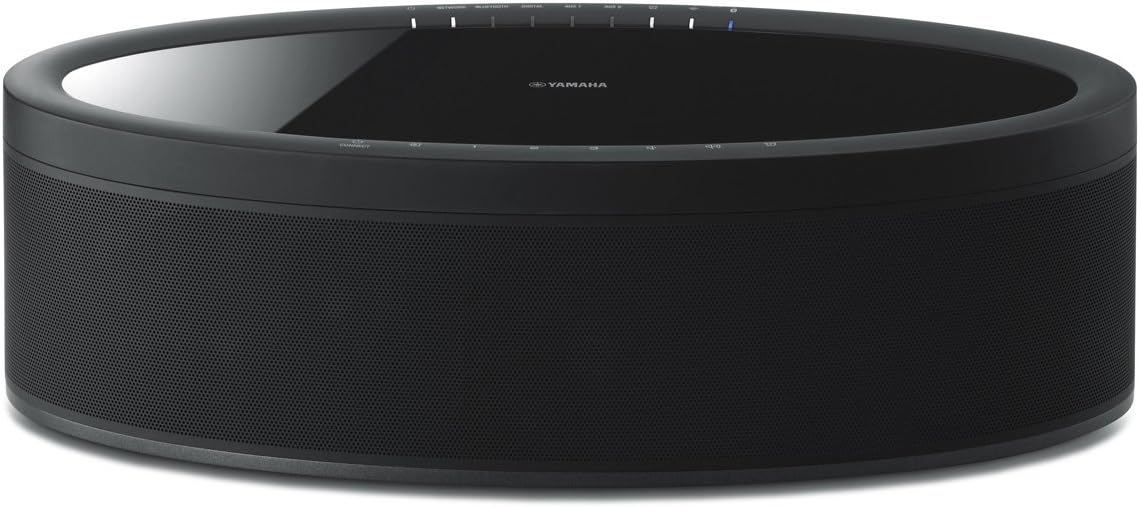
4. Yamaha MusicCast 50 Wireless High-Power Speaker
 Source: Yamaha Store
The Yamaha MusicCast 50 is a powerhouse home audio solution that brings professional-grade sound into your living room. As a flagship in the MusicCast series, it is designed to act as a standalone speaker or as part of a sophisticated multi-room system. It features a powerful 70-watt output that fills even large rooms with deep, resonant sound and crystal-clear highs. The dual-woofer and dual-tweeter configuration ensures a wide and detailed soundstage that is perfect for everything from high-energy rock to subtle classical arrangements.
One of the greatest strengths of the MusicCast 50 is its versatile connectivity. It supports Bluetooth, WiFi, AirPlay 2, and Spotify Connect, giving you endless options for streaming your favorite content. It is also compatible with Alexa, allowing for easy voice control of your music and smart home integration. Because it is part of the MusicCast ecosystem, you can link it with other Yamaha products to create a seamless audio experience throughout your entire home. The build quality is exceptional, featuring a sleek, minimalist design that complements any modern interior.
For those who value high-resolution audio, the MusicCast 50 supports files like FLAC, WAV, and ALAC, ensuring that you hear every nuance of your music. It can also be used as a wireless surround speaker when paired with a compatible Yamaha soundbar, offering incredible flexibility for your home theater setup. This is not just a Bluetooth speaker; it is a comprehensive audio hub that represents the best of Yamaha True Sound philosophy. It is a premium investment for the discerning listener who wants power, clarity, and smart functionality in a single, well-crafted unit.
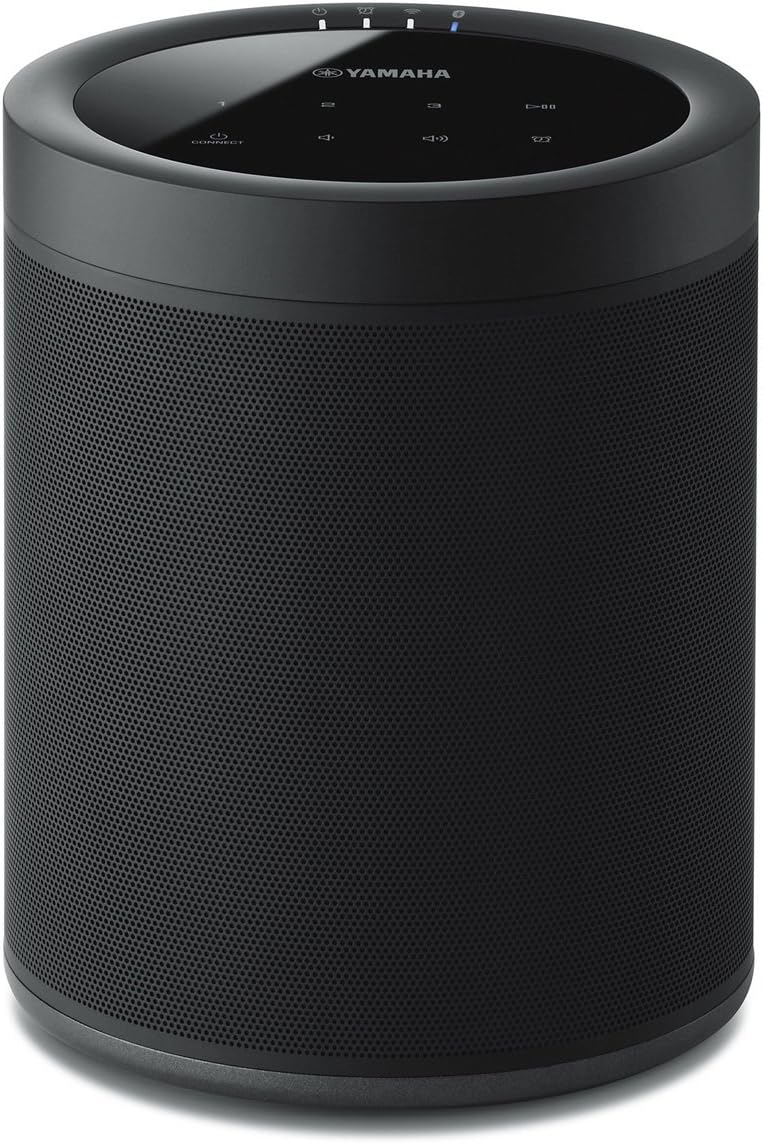
5. Yamaha MusicCast 20 Compact Wireless Speaker
 Source: Yamaha Store
The Yamaha MusicCast 20 offers the same sophisticated technology as its larger counterpart but in a much more compact and versatile form factor. It is the perfect size for a bedside table, a kitchen counter, or a small home office, providing surprisingly big sound for its footprint. With 40 watts of power, it delivers a clear and punchy audio profile that emphasizes vocal clarity and balanced tones. It is an ideal entry point into the Yamaha MusicCast ecosystem, offering high-end performance without taking up too much space.
Connectivity is a breeze with the MusicCast 20, as it features built-in WiFi, Bluetooth, and AirPlay 2 support. You can easily stream from your smartphone or use the MusicCast app to access a wide variety of streaming services directly. The speaker also supports voice control through Alexa, making it easy to change tracks or adjust the volume without lifting a finger. Its ability to act as a wireless surround speaker or be paired with another MusicCast 20 for a true stereo setup makes it one of the most flexible speakers on the market in 2025.
The design of the MusicCast 20 is clean and understated, featuring a tactile top panel and a high-quality finish that speaks to Yamaha attention to detail. Despite its small size, it is built with the same precision as their professional studio equipment, ensuring a natural and fatigue-free listening experience. It is a reliable and smart choice for those who want a high-quality Japanese speaker that fits seamlessly into their daily life. Choosing the MusicCast 20 means opting for a brand that understands the science of sound and the needs of the modern home.
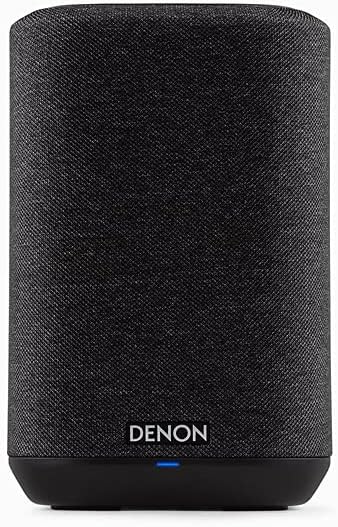
6. Denon Home 150 Wireless Smart Speaker with Alexa
 Source: Denon Store
The Denon Home 150 is the perfect solution for those who want audiophile-grade sound in a compact, smart package. Denon is legendary for their high-end amplifiers, and they have brought that same expertise to the Home 150 with a custom-tuned 1-inch tweeter and a 3.5-inch woofer. These components are driven by dedicated digital amplifiers, resulting in a sound that is rich, warm, and exceptionally detailed. It is a speaker that makes your music feel alive, capturing the subtle textures and emotions that cheaper speakers often miss.
As a smart speaker, the Home 150 features Alexa built-in, allowing you to control your music, check the weather, and manage your smart home devices with simple voice commands. It also features HEOS Built-in, which means you can stream high-resolution audio from services like Tidal, Amazon Music HD, and Pandora. The proximity-sensing touch interface on the top panel lights up as your hand approaches, providing a premium and intuitive way to control your playback. The design is compact and elegant, wrapped in a high-quality fabric that blends into any room.
Reliability and future-proofing are key aspects of the Denon Home series. The speaker supports WiFi, Bluetooth, and AirPlay 2, ensuring compatibility with all your devices. It is also designed to work as part of a larger Denon multi-room system, allowing you to play the same song in every room or different tracks in each. For those who appreciate high-resolution audio files, it supports 192kHz/24-bit FLAC and DSD 5.6MHz files, providing a level of clarity that is truly stunning. It is an elite choice for anyone who wants a sophisticated, smart, and beautiful-sounding Japanese speaker for their home.
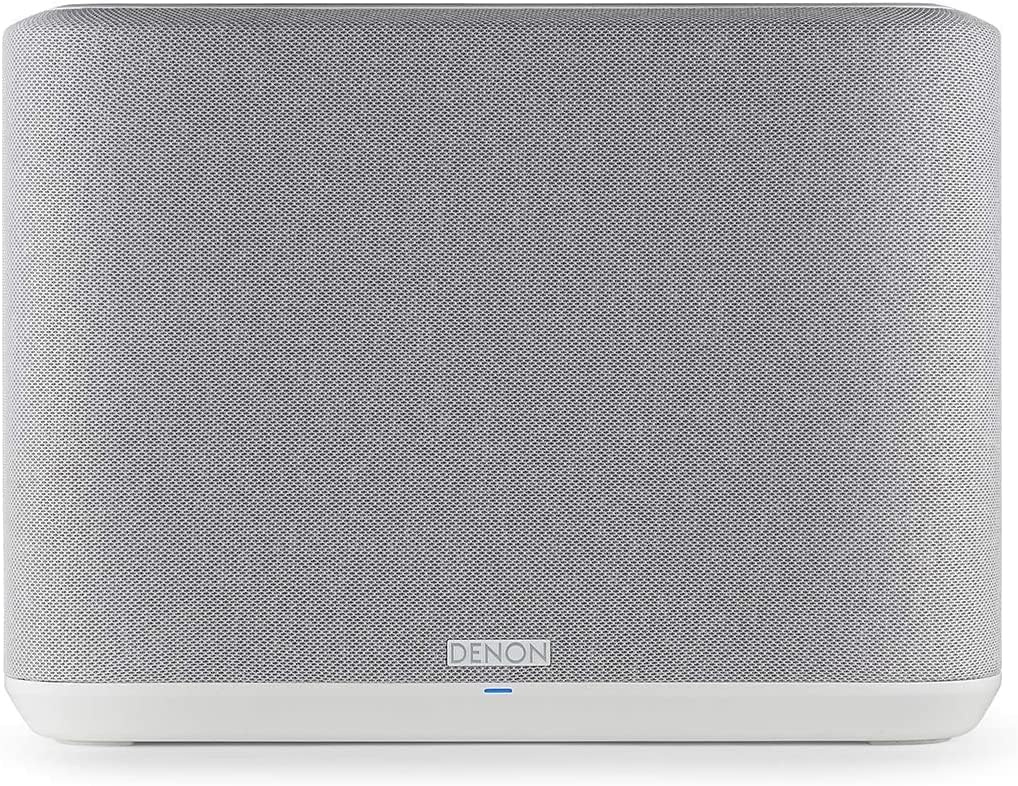
7. Denon Home 250 Mid-Size Wireless Smart Speaker
 Source: Denon Store
The Denon Home 250 takes the incredible acoustic performance of the Home 150 and scales it up for a more powerful, stereo experience. It features two 0.75-inch tweeters and two 4-inch bass drivers, along with a 5.25-inch passive radiator to provide deep and authoritative low-end. This configuration allows the Home 250 to fill medium to large rooms with a wide, immersive soundstage that rivals much larger traditional Hi-Fi systems. It is the perfect mid-size speaker for those who want a serious audio upgrade without the clutter of wires and multiple components.
Like all products in the Denon Home line, the 250 includes HEOS Built-in, giving you access to a world of high-resolution streaming services and multi-room audio possibilities. The setup process is incredibly simple through the HEOS app, and the speaker maintains a rock-solid connection even when streaming demanding high-bitrate files. The inclusion of AirPlay 2 and Bluetooth ensures that everyone in the house can easily connect and play their favorite tracks. The white finish option provides a clean, modern look that stands out as a piece of high-end furniture rather than just a piece of electronics.
The Home 250 is built with premium materials that reflect Denon century-long heritage in audio engineering. The sound is tuned for a natural and balanced profile that doesn’t artificially boost frequencies, ensuring that your music sounds exactly as the producer intended. Whether you are using it as a standalone unit or as a high-performance surround speaker in a larger Denon home theater, it delivers consistent and breathtaking results. For the listener who demands power, precision, and the latest smart features in a beautiful Japanese design, the Denon Home 250 is an outstanding investment for 2025.
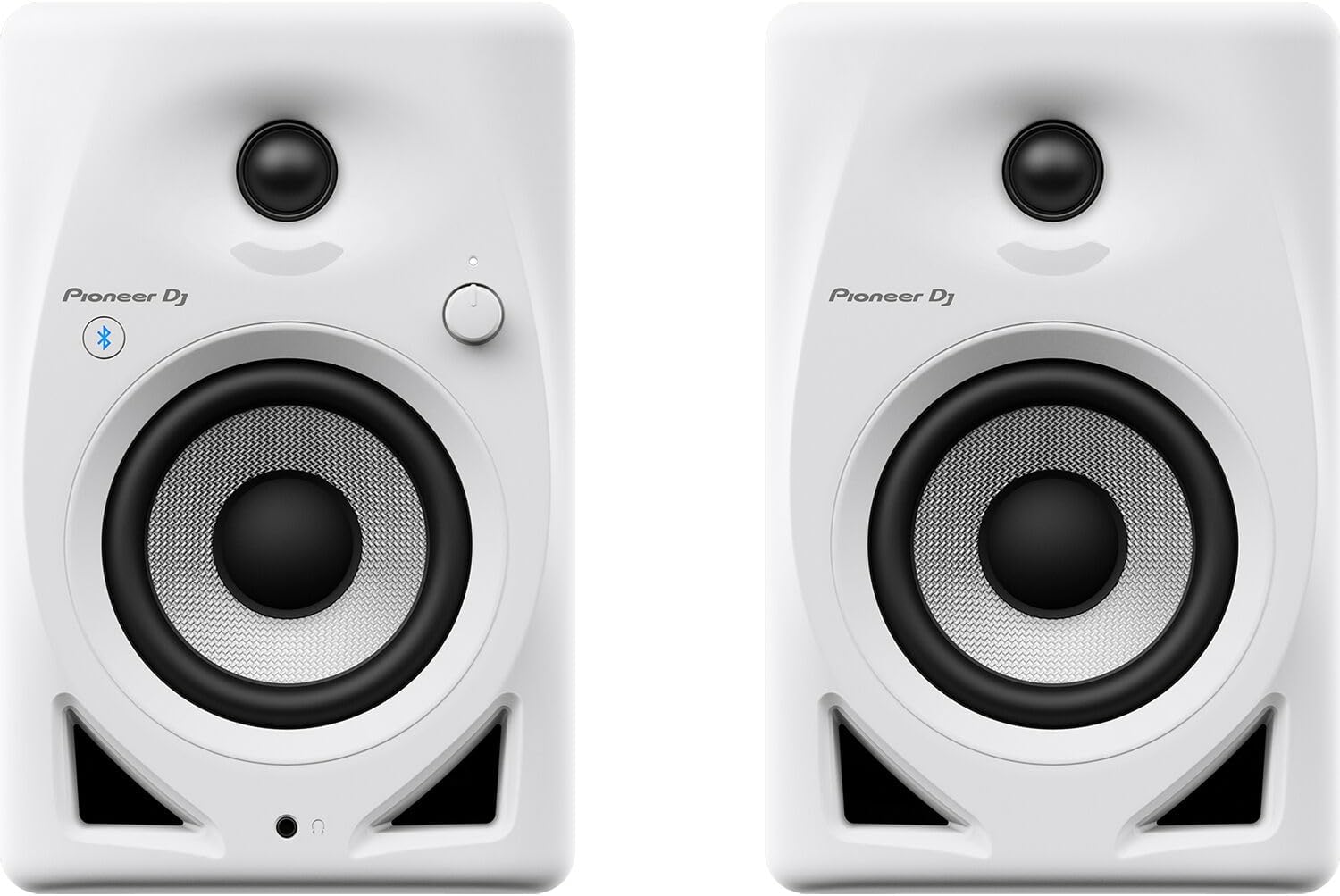
8. Pioneer DM-40D-BT-W 4-inch Desktop Monitor Speakers
 Source: pioneerdj.com
The Pioneer DM-40D-BT-W is a specialized pair of monitor speakers designed for creators, DJs, and home producers who need honest and accurate sound reproduction. These 4-inch active monitors provide a flat frequency response that allows you to hear the true characteristics of your audio, which is essential for mixing and producing music. The white finish is sleek and professional, making them a stylish addition to any desktop or studio setup. They also include Bluetooth connectivity, allowing you to easily switch between professional work and casual listening.
One of the standout features of the DM-40D-BT is the two-way sound mode, which allows you to toggle between a Production mode for accurate mixing and a DJ mode for a more punchy and energetic sound. This versatility makes them an excellent choice for those who do both creative work and entertainment. The Class D amplifier with a 96 kHz sampling DSP ensures that the sound remains clean and powerful without any distortion. The front-facing bass reflex system provides a tight and impactful low-end that is perfectly suited for desktop environments.
Pioneer has also included studio monitor isolation pads with this pair, which help decouple the speakers from your desk and reduce unwanted vibrations. This attention to detail is what sets Japanese engineering apart, focusing on the small factors that significantly impact audio quality. The curved front edges of the cabinets help reduce diffraction, leading to a clearer and more precise stereo image. Whether you are a budding producer or a music enthusiast who wants professional-grade sound on your desk, the Pioneer DM-40D-BT-W offers incredible performance and reliability for your creative space.
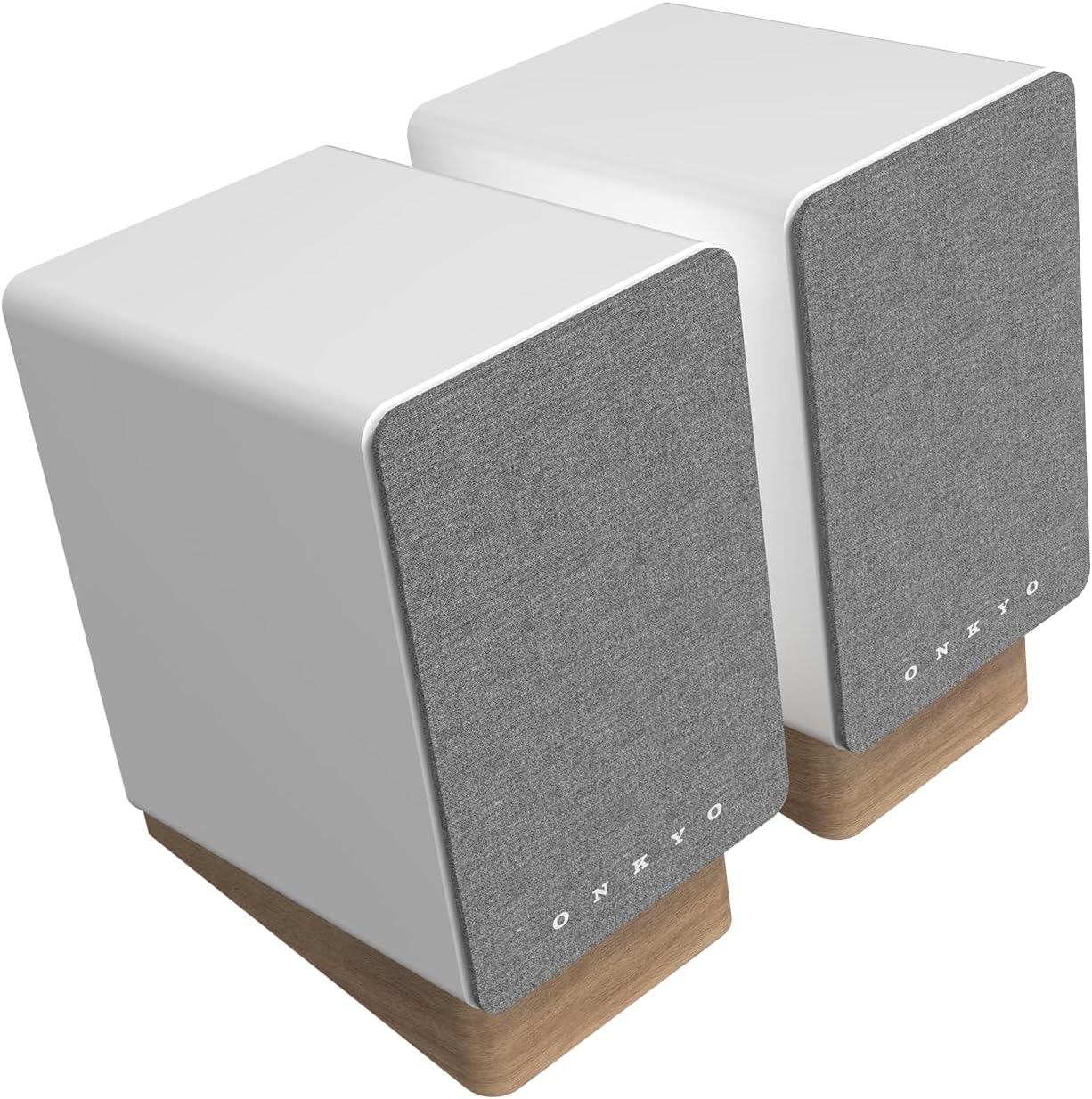
9. Onkyo Creator Series GX-10DB Powered Monitors
 Source: Onkyo Store
The Onkyo Creator Series GX-10DB represents a new era of compact, high-performance audio for the modern workspace. These powered monitors are designed with a focus on the Creator market, offering a variety of inputs including USB-C, Line, Phono, and Optical ports. This makes them incredibly versatile, allowing you to connect everything from a modern laptop to a vintage turntable without the need for an external amplifier. The 3-inch woofer is small but mighty, utilizing Onkyo proprietary technology to deliver a surprisingly rich and detailed sound profile.
In terms of wireless performance, the GX-10DB features the latest Bluetooth 5.3 LE Audio connectivity, which offers lower latency and better power efficiency. This is a significant benefit for those who use their speakers for video editing or gaming, as it ensures the audio stays perfectly synced with the action on the screen. The white finish is clean and minimalist, fitting perfectly into a modern tech-focused environment. Despite their compact size, they provide a level of clarity and separation that is a trademark of Onkyo long history in high-fidelity audio.
The build quality of the GX-10DB is exceptional, featuring a robust cabinet that minimizes internal resonance. The front panel includes easy-to-reach controls for volume and input selection, making them a breeze to use in a busy work environment. Onkyo has focused on providing a natural sound that is easy to listen to for long periods, which is vital for creators who spend hours in front of their monitors. For those who want a compact, highly connected, and professionally tuned Japanese speaker system for their desk, the Onkyo GX-10DB is a sophisticated and highly effective choice for 2025.
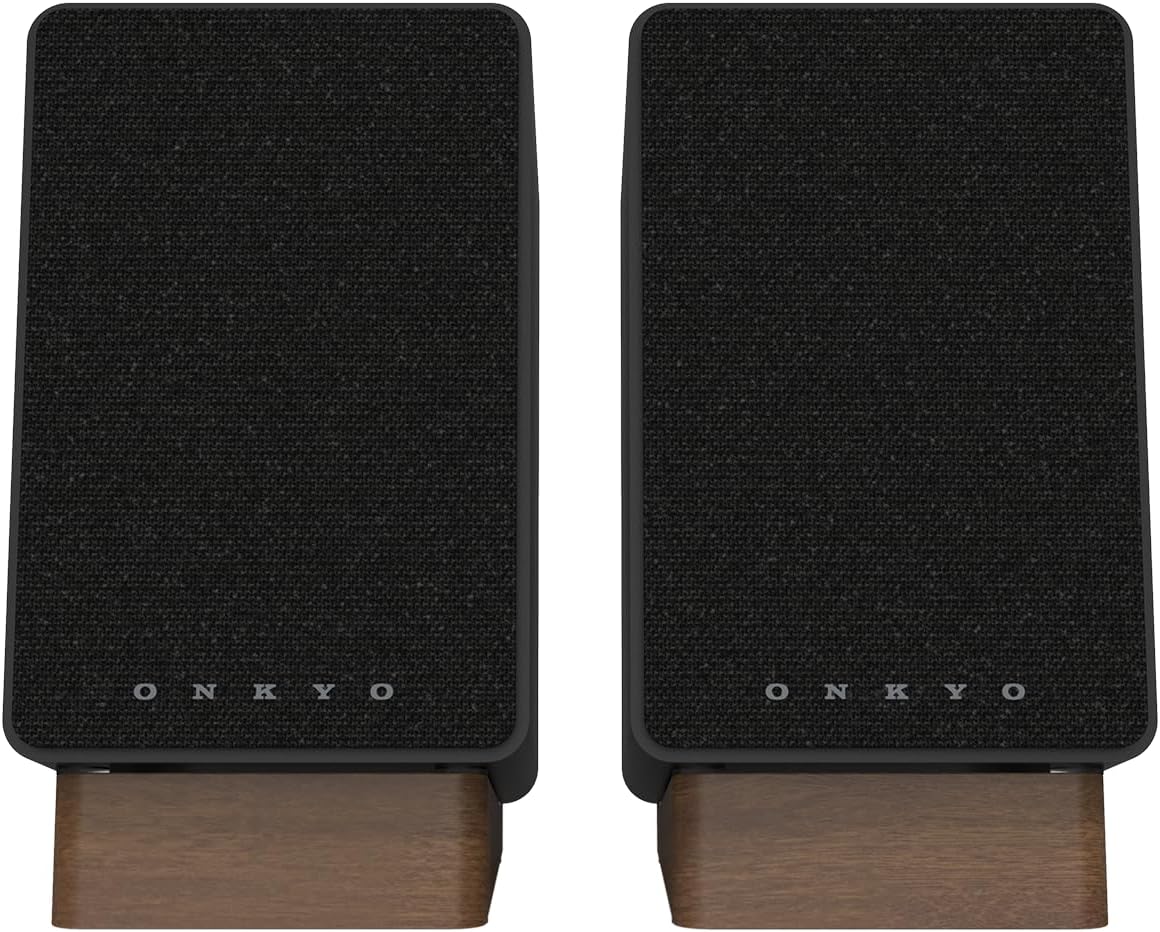
10. Onkyo Creator Series GX-30ARC Powered Speakers
 Source: Onkyo Store
The Onkyo Creator Series GX-30ARC is the larger, more powerful sibling in the Creator lineup, designed for those who need more volume and a deeper bass response. Featuring a 4-inch woofer and a high-performance tweeter, these speakers deliver a full-range audio experience that is perfect for professional media consumption and creation. The inclusion of an ARC (Audio Return Channel) HDMI port makes them a fantastic choice for a small home theater or a high-end desktop gaming rig, as they can easily connect to a television or monitor with a single cable.
Like the smaller model, the GX-30ARC is packed with connectivity options including USB-C, Phono, and Optical inputs. This allows it to serve as the primary audio hub for multiple devices, providing seamless transitions between your turntable, your PC, and your gaming console. The Bluetooth 5.3 connectivity ensures a stable and high-quality wireless stream for your mobile devices. The black finish is professional and timeless, giving the speakers a commanding presence on any desk or shelf. They are built for those who refuse to compromise on sound quality in their personal space.
Onkyo has engineered these speakers with a focus on the ARC feature, ensuring that the volume can be controlled directly through your TV remote for a streamlined experience. The internal amplification is powerful and efficient, providing plenty of headroom for dynamic soundtracks and intense gaming sessions. The GX-30ARC represents the pinnacle of Onkyo current speaker technology, blending traditional acoustic expertise with the latest digital connectivity. For the ultimate Japanese-engineered desktop audio system that can handle any media type with ease, the Onkyo GX-30ARC is a premier and highly recommended solution for 2025.
Summary: Enhancing Your Life with Japanese Audio Excellence
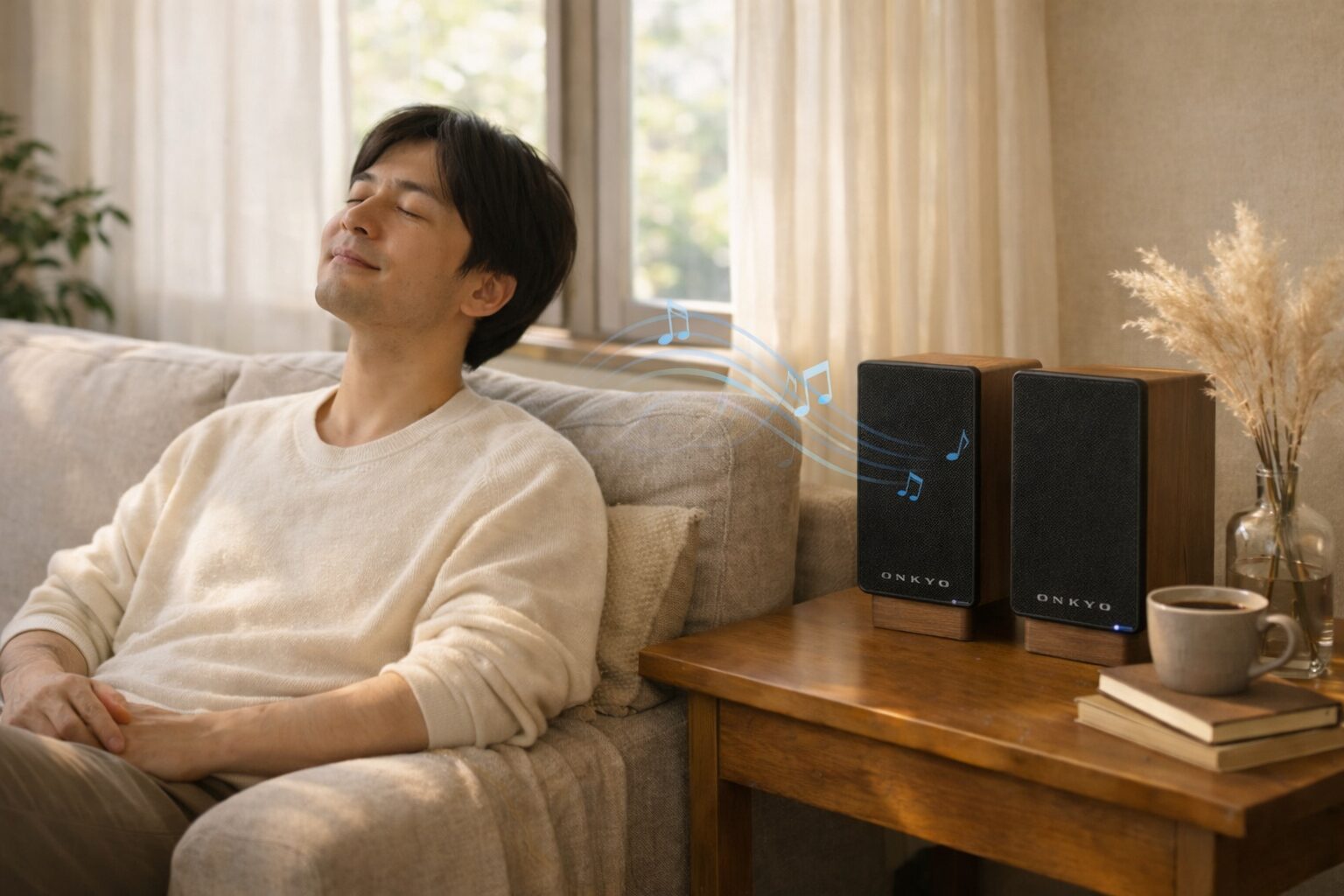 Choosing from the top Japanese bluetooth speaker brands is a decision that pays dividends in both sound quality and long-term reliability. As we have explored in this guide, these Japanese bluetooth speaker brands represent the pinnacle of audio engineering, successfully balancing the heritage of high-fidelity sound with the modern convenience of wireless technology. Whether you prioritize the thunderous bass of a Sony party speaker or the natural transparency of a Yamaha True Sound unit, you are investing in a piece of technology that respects your music and your lifestyle. In 2025, Japanese manufacturers continue to set the global standard for what a portable or home speaker should be.
The strategic benefit of choosing a Japanese brand lies in their commitment to craftsmanship and component quality. By avoiding cheap, disposable alternatives, you protect your investment and ensure a consistent listening experience for years to come. Features like LDAC support, IP67 environmental resistance, and intelligent battery management are not just bullet points on a box; they are the result of decades of research and development. This dedication to detail is why Japanese brands remain the most reliable choice for audiophiles and casual listeners alike who demand a higher level of performance from their wireless gear.
As you look toward your next audio purchase, consider how your choice will fit into your daily routine. Think about where you will be listening and what kind of music brings you the most joy. By selecting a speaker that aligns with your specific needs, you turn every commute, workout, or relaxing evening into a high-quality auditory experience. The peace of mind that comes from a reliable, well-built Japanese speaker allows you to focus entirely on the music. We hope this guide has provided the clarity and insight you need to choose the perfect audio partner for your journey through the digital world.
Japanese audio brands like Sony and Yamaha have defined the industry for generations, and their latest Bluetooth offerings are a testament to their enduring legacy. By bringing this level of precision into your home, you are upgrading not just your gear, but your entire relationship with sound. We hope the information shared here helps you find a speaker that brings a smile to your face every time you hit play. Yamaha and Sony products continue to lead the way, and we are confident that your next Japanese audio investment will be a source of pride and enjoyment for many years. Would you like me to help you compare the specific warranty terms or the mobile app features for any of these leading 2025 Japanese speaker models?